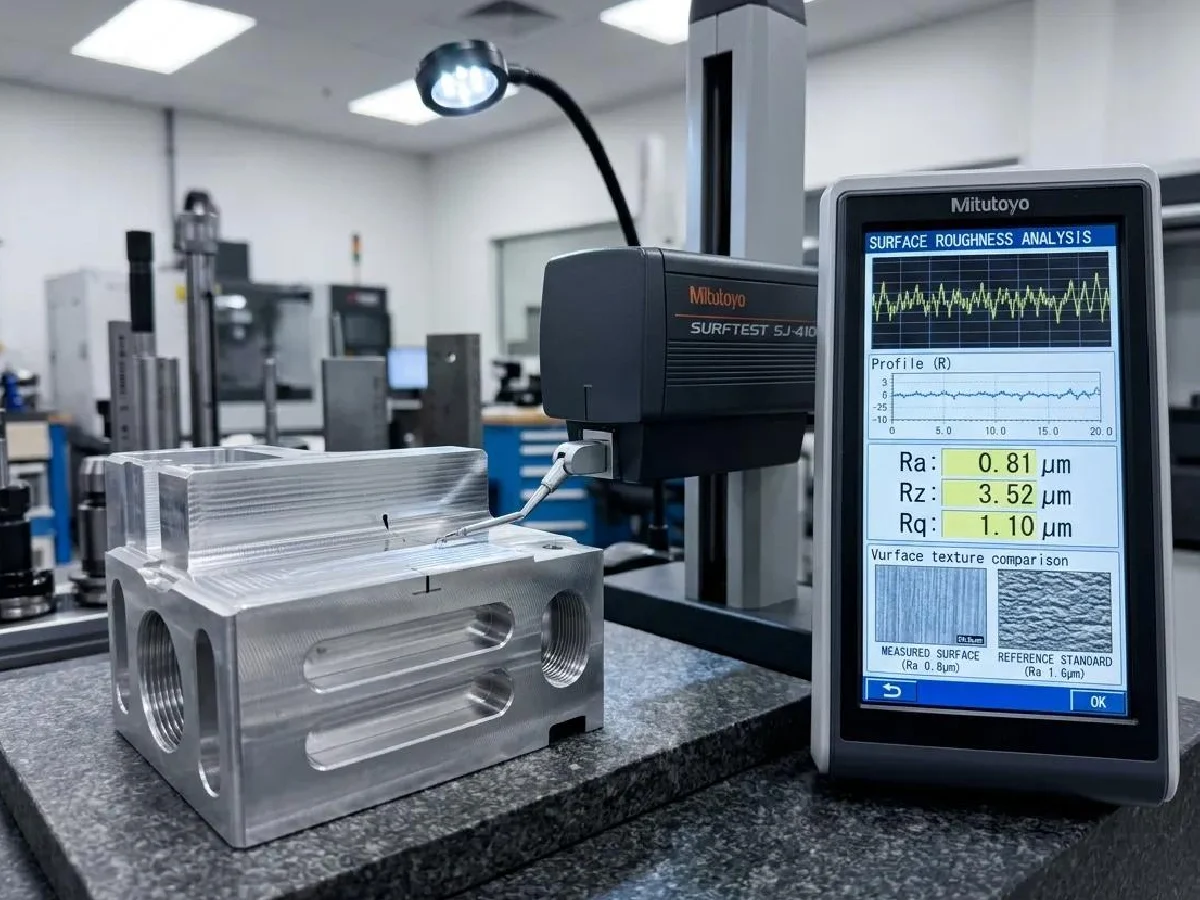
Why Do CNC Parts Need the Right Surface Treatment?
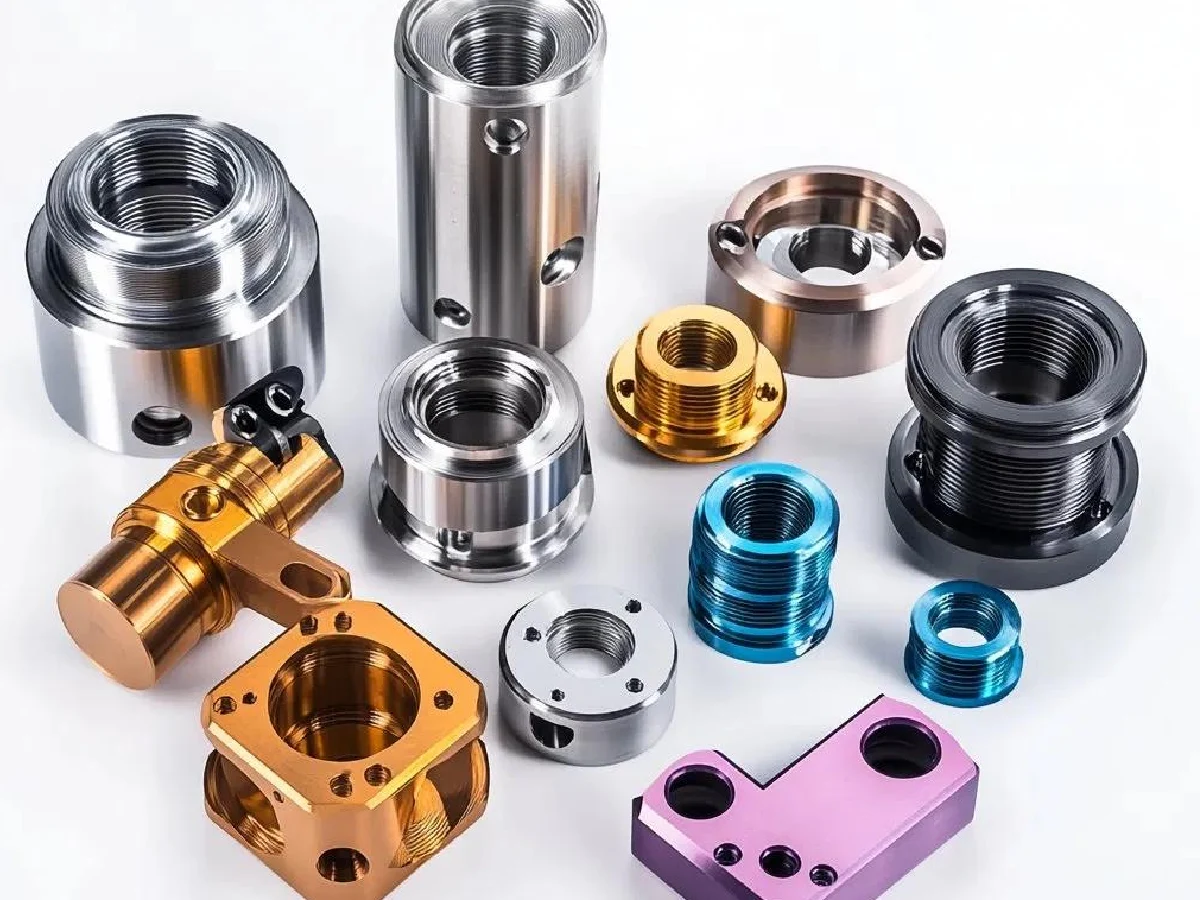
CNC machining can achieve high dimensional accuracy, but during actual operation, machined parts often need to withstand different working environments.
For example:
- Outdoor equipment requires corrosion protection.
- Precision machinery requires improved wear resistance.
- Appearance components require enhanced surface quality.
- Moving components require reduced friction.
Therefore, selecting the appropriate surface treatment process can further improve part performance, reliability, and service life.
Surface treatment mainly affects:
- Corrosion resistance
- Surface hardness
- Friction performance
- Appearance quality
- Service life
1. Selecting Surface Treatment Based on Material Type
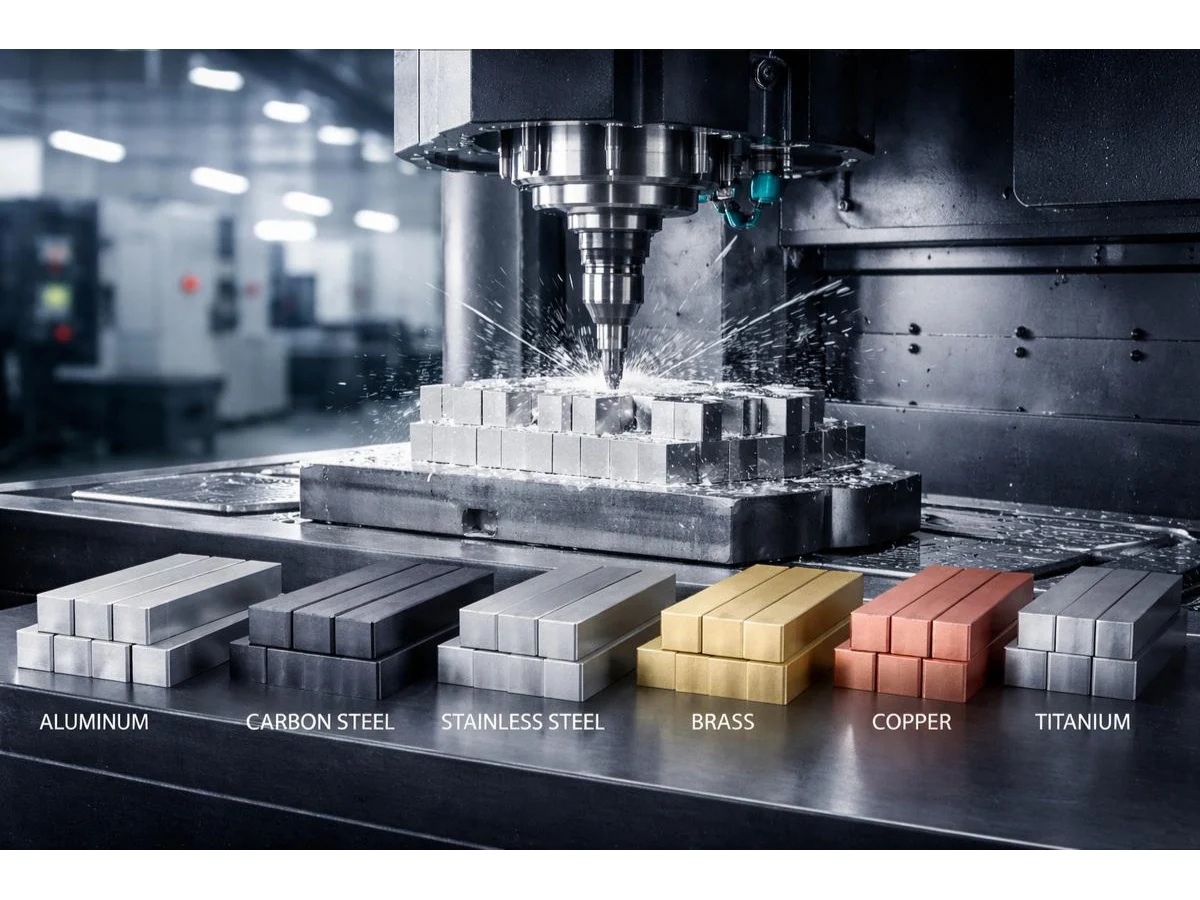
Different metal materials have different properties, so the surface treatment process should be selected accordingly.
1) Surface Treatment Options for Aluminum Alloy Parts
Aluminum alloy is one of the most commonly used materials in CNC machining.
Key advantages include:
- Lightweight
- Excellent machinability
- Superior surface finishing capability
Therefore, aluminum alloy parts are widely used in:
- Automation equipment
- Precision structural components
- Electronic housings
- Industrial machinery parts
Recommended Surface Treatments for Aluminum Alloy
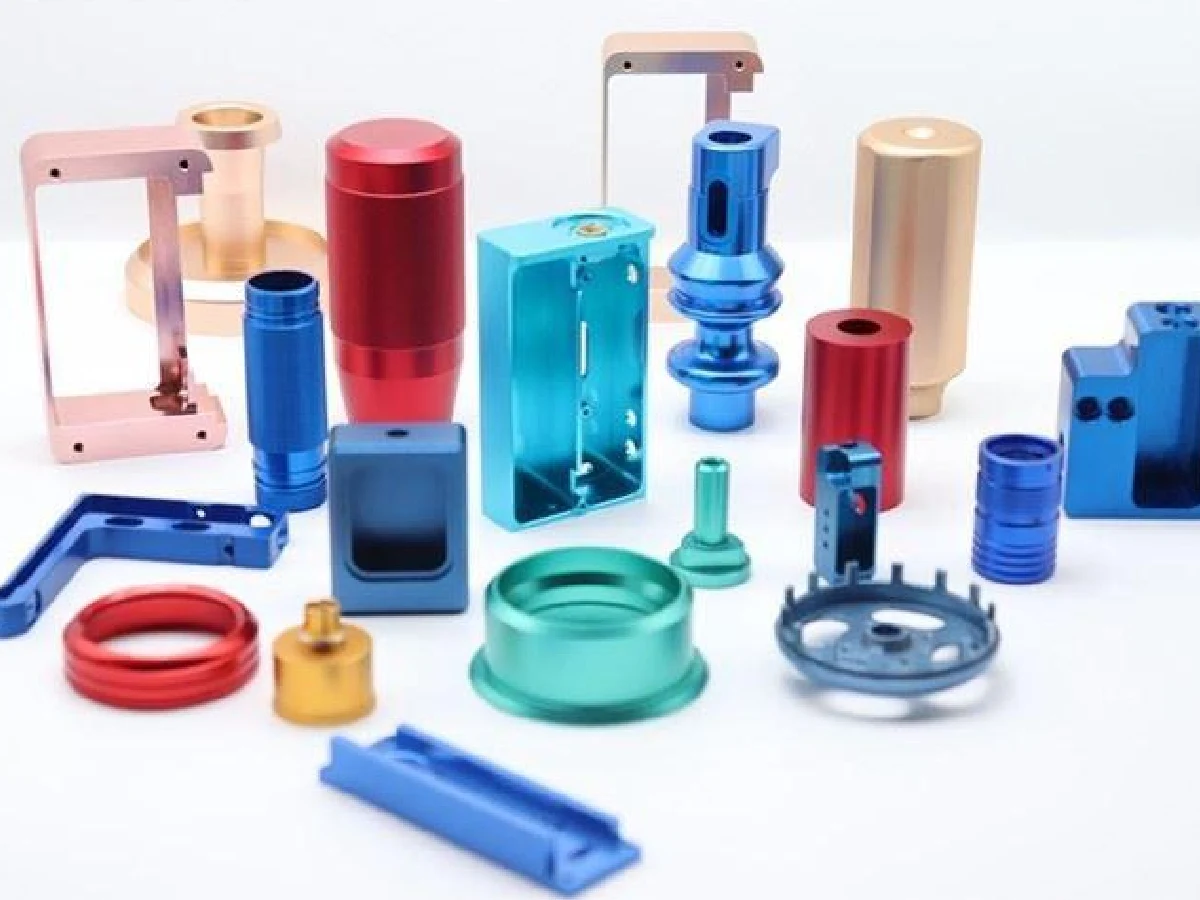
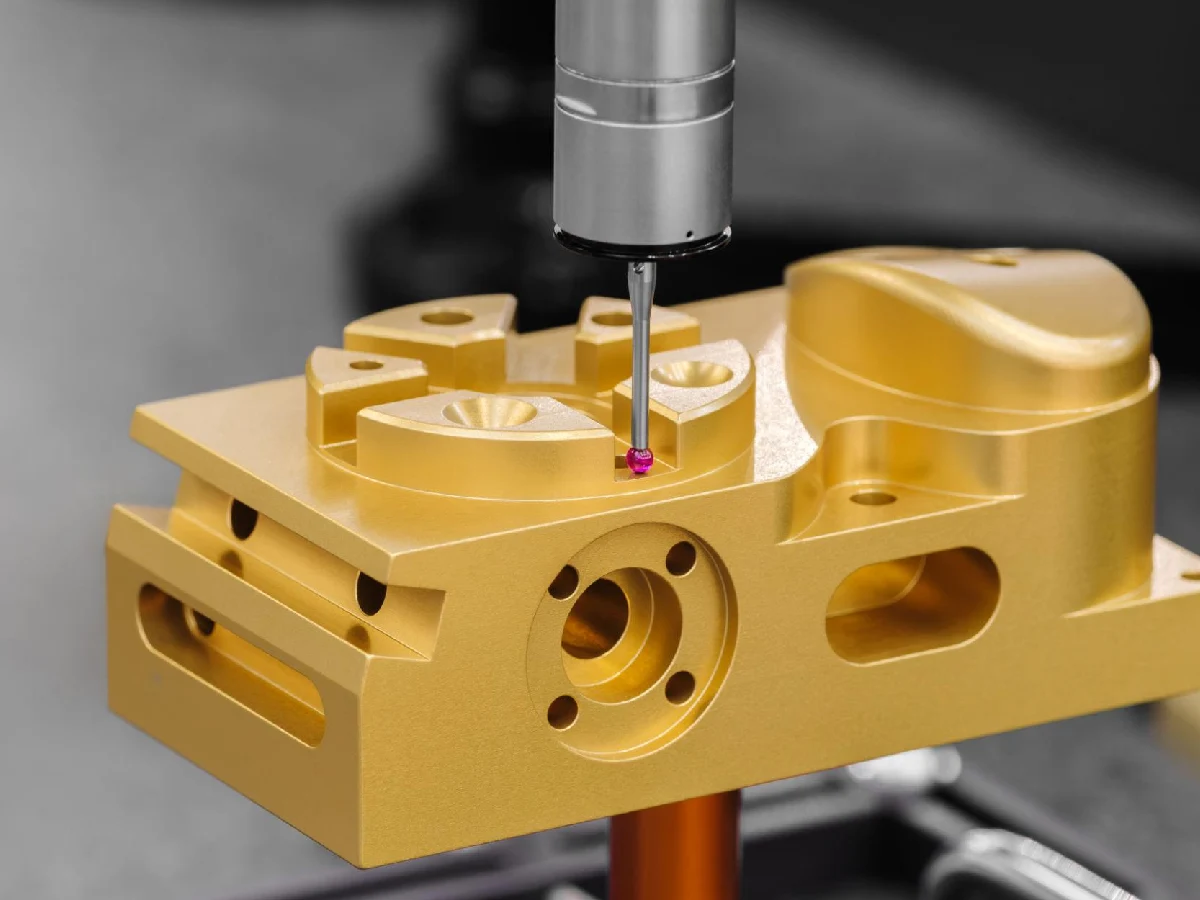
Anodizing
Anodizing is one of the most common surface treatments for aluminum CNC parts.
Advantages:
- Improves corrosion resistance
- Increases surface hardness
- Maintains dimensional stability
- Provides various color options
Common colors:
Suitable for:
- Appearance components
- Precision structural parts
- Aluminum CNC machined parts
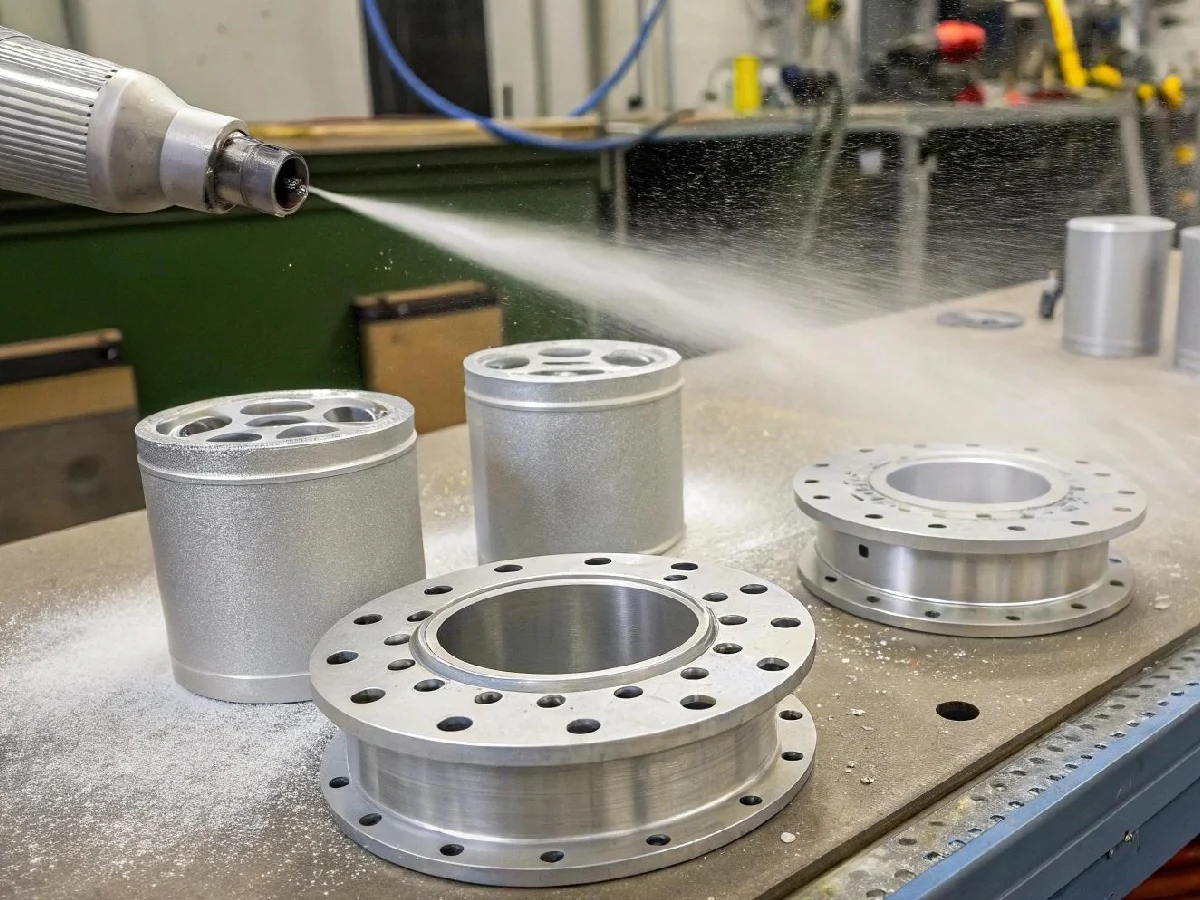
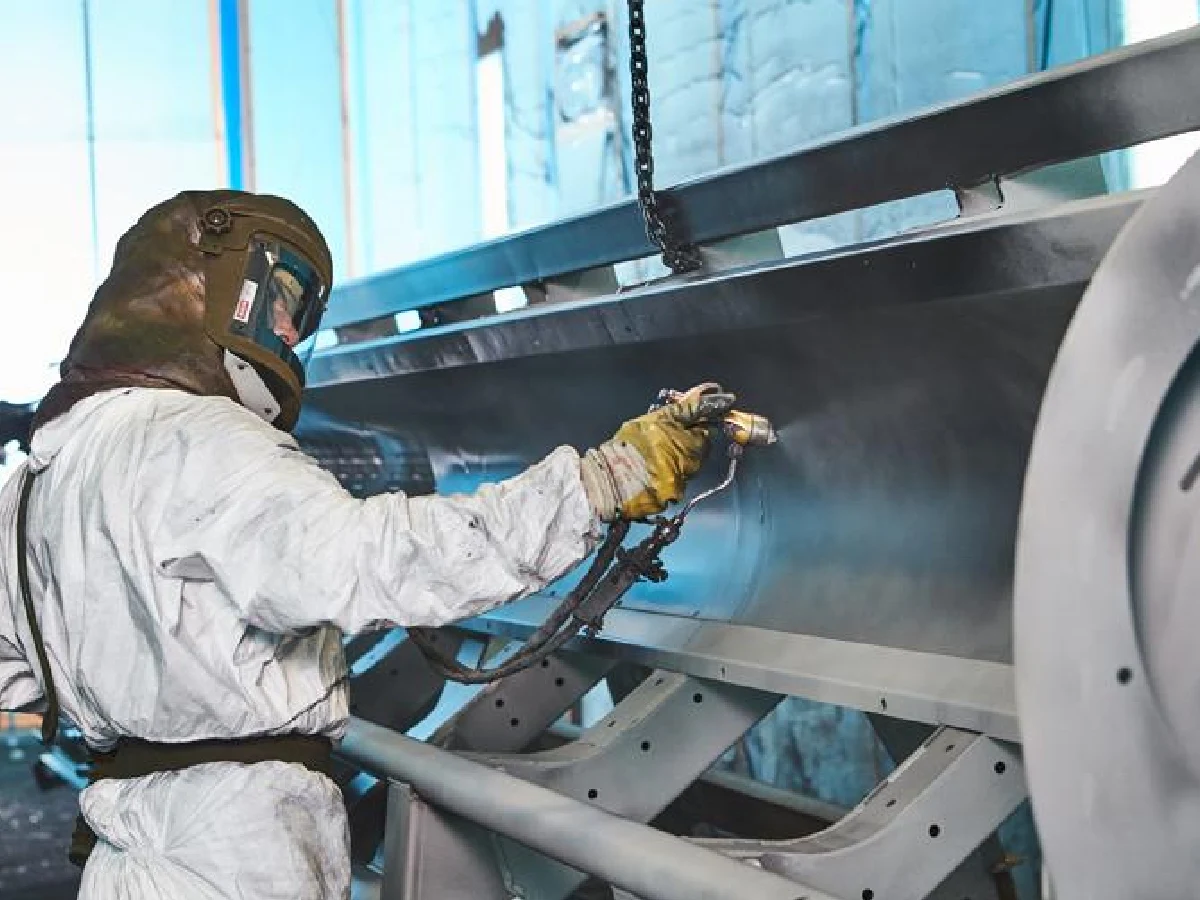
Sand Blasting + Anodizing
This combination is widely used for industrial products requiring high appearance quality.
Process:
CNC Machining
↓
Sand Blasting
↓
Anodizing
Results:
- Removes machining marks
- Creates a uniform matte surface
- Improves product appearance and texture
Applications:
- High-end equipment housings
- Precision mechanical parts
- Automation equipment components
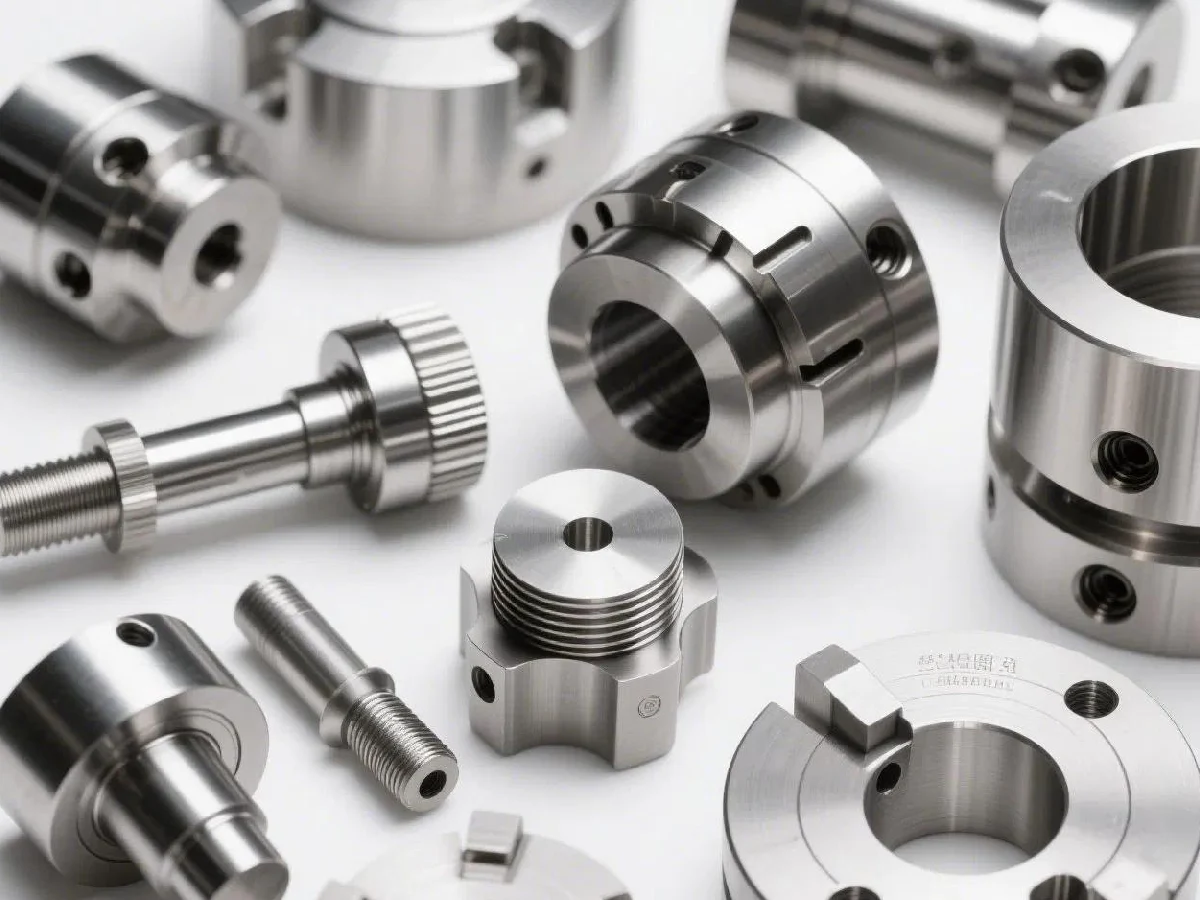
2) Surface Treatment Options for Stainless Steel Parts
Stainless steel features:
- High strength
- Excellent corrosion resistance
- High temperature resistance
Common applications include:
- Medical equipment
- Food processing machinery
- Industrial equipment
- High-performance structural components
Common Stainless Steel Surface Treatments
Polishing
Purpose:
- Improves surface smoothness
- Enhances appearance quality
Suitable for:
- Appearance-critical components
- Precision equipment parts
Passivation
Purpose:
- Removes surface contaminants
- Improves corrosion resistance
Suitable for:
- Medical components
- Precision stainless steel parts
Electroplating
By adding a protective metal layer, electroplating improves:
Wear resistance
Surface performance
Suitable for:
Special industrial applications
3) Surface Treatment Options for Steel Parts
Steel materials provide:
- High strength
- Excellent mechanical properties
However, ordinary steel is more vulnerable to environmental effects.
Therefore, protective surface treatments are usually required.
Common Steel Surface Treatments
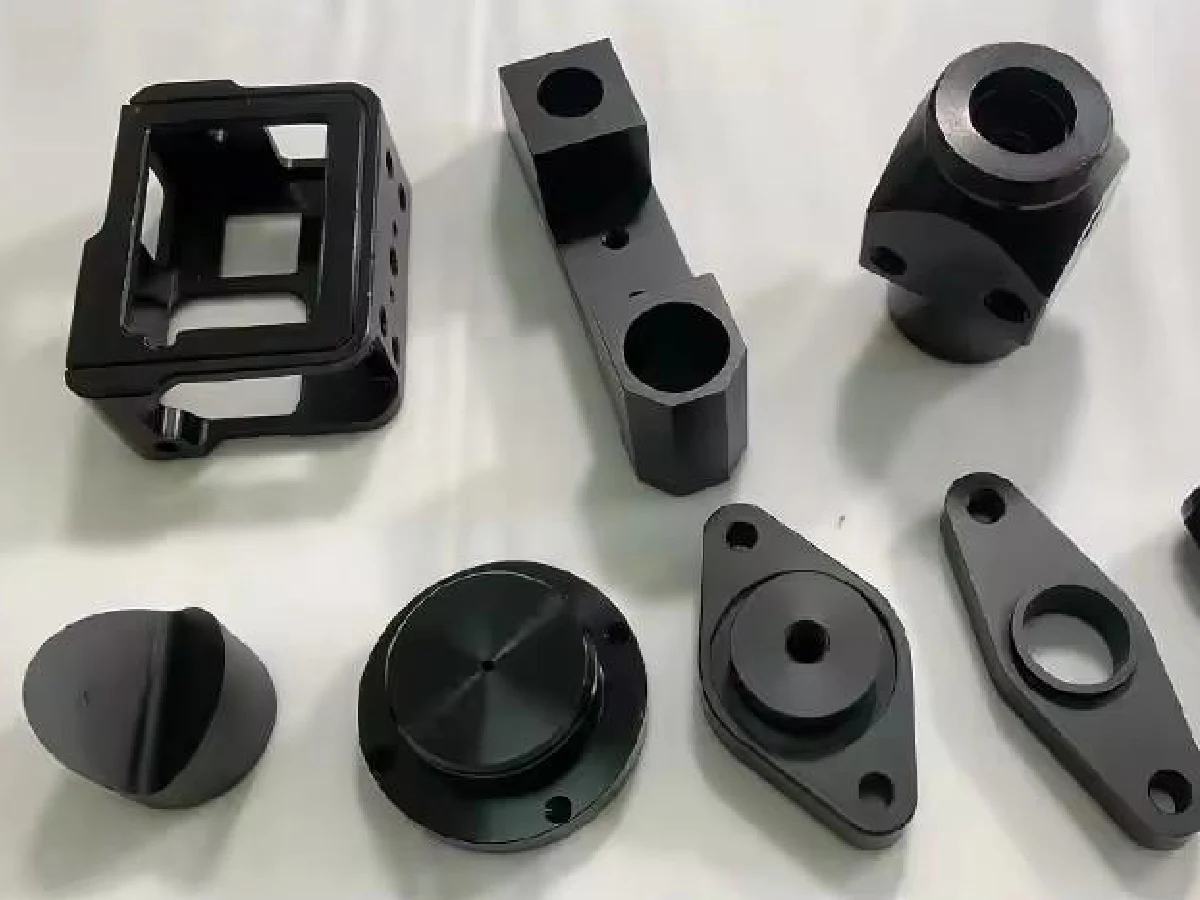
Black Oxide Treatment
Features:
- Improves appearance
- Enhances rust protection
Applications:
- Mechanical components
- Industrial structural parts
Nickel Plating / Chrome Plating
Advantages:
- Improves wear resistance
- Enhances corrosion protection
Suitable for:
- High-load components
- Moving mechanical parts
Heat Treatment
Heat treatment changes the internal structure of metal to improve:
- Hardness
- Strength
- Wear resistance
Applications:
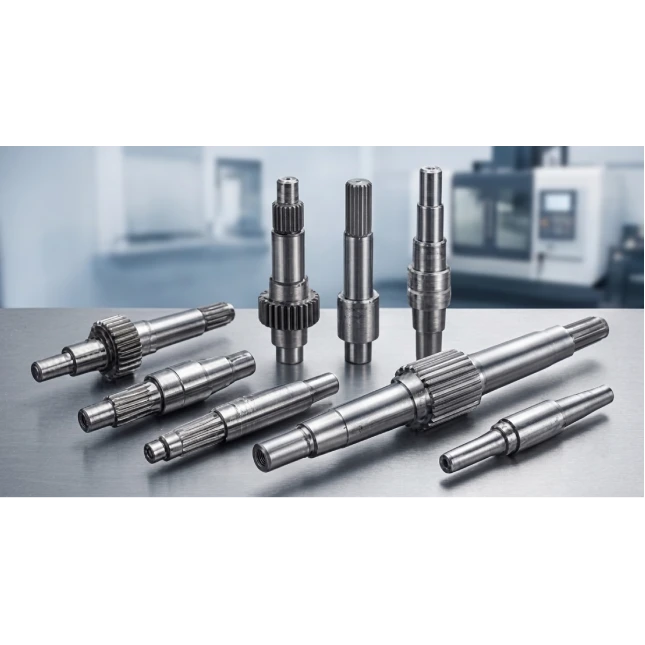
- Shaft components
- Gear parts
- High-load mechanical components
2. Selecting Surface Treatment Based on Operating Environment
Besides material type, the working environment is also a critical factor.
Normal Industrial Environment
Examples:
- Automation equipment
- General machinery
Recommended:
- Anodizing
- Sand blasting
- Basic protective coating
Moisture or Corrosive Environment
Examples:
- Outdoor equipment
- Chemical environments
- Marine applications
Recommended:
- Stainless steel materials
- Anti-corrosion coating
- Electroplating
High-Friction Environment
Examples:
- Moving components
- Transmission systems
Recommended:
- Hardening treatment
- Chrome plating
- Heat treatment
3. Selecting Surface Treatment Based on Appearance Requirements
Modern industrial products focus not only on performance but also on appearance quality.
Matte Industrial Appearance
Recommended:
Sand Blasting
Features:
- Premium surface texture
- Reduced fingerprint visibility
- Uniform appearance
Colored Surface Finish
Recommended:
Anodizing
Features:
- Multiple color options
- Stable surface performance
- Maintains metallic appearance
High Gloss Finish
Recommended:
Features:
- High surface brightness
- Excellent visual appearance
4. How Does Surface Treatment Affect CNC Accuracy?
For precision components, surface treatment affects not only appearance but also dimensional accuracy.
Therefore, manufacturing engineers must consider:
- Surface treatment thickness
- Critical dimensions
- Assembly tolerances
For example:
For precision assembly components, machining dimensions should include proper allowance for surface treatment thickness.
Professional CNC manufacturers consider the complete manufacturing sequence:
CNC Machining
↓
Dimensional Control
↓
Surface Treatment
↓
Final Inspection
This ensures every component meets engineering specifications.
5. Comprehensive Manufacturing Capability of Qingdao Likunda CNC Machinery Co., Ltd.
Qingdao Likunda CNC Machinery Co., Ltd. specializes in precision CNC machining and provides complete manufacturing solutions based on customer requirements.
Our services include:
- CNC Turning
- CNC Milling
- Turn-Mill Compound Machining
- Multi-Axis Machining
- Precision Inspection
- Surface Treatment Support
According to different materials and application requirements, we provide surface treatment solutions including:
- Aluminum Anodizing
- Sand Blasting
- Electroplating
- Protective Coating
- Heat Treatment
With a complete manufacturing process, we provide one-stop solutions from raw materials and precision machining to surface finishing.
Conclusion
Selecting the right surface treatment requires comprehensive consideration of:
- Material type
- Operating environment
- Performance requirements
- Appearance requirements
- Cost factors
A professional CNC machining supplier needs not only advanced equipment but also extensive process experience and manufacturing expertise to provide the most suitable solution for customers.
Qingdao Likunda CNC Machinery Co., Ltd. is committed to providing high-precision and reliable metal component manufacturing services for global customers.