Differences Between CNC Turning, Milling, and Turn-Mill Machining
CWith the development of CNC manufacturing technology, complex metal components can now be produced with higher efficiency and precision.
Based on part geometry, material characteristics, and tolerance requirements, manufacturers typically select from:
- CNC turning
- CNC milling
- Turn-mill machining
Although all three belong to CNC machining technologies, they differ significantly in machining principles, applications, and production advantages.
1.CNC Turning
What Is CNC Turning?
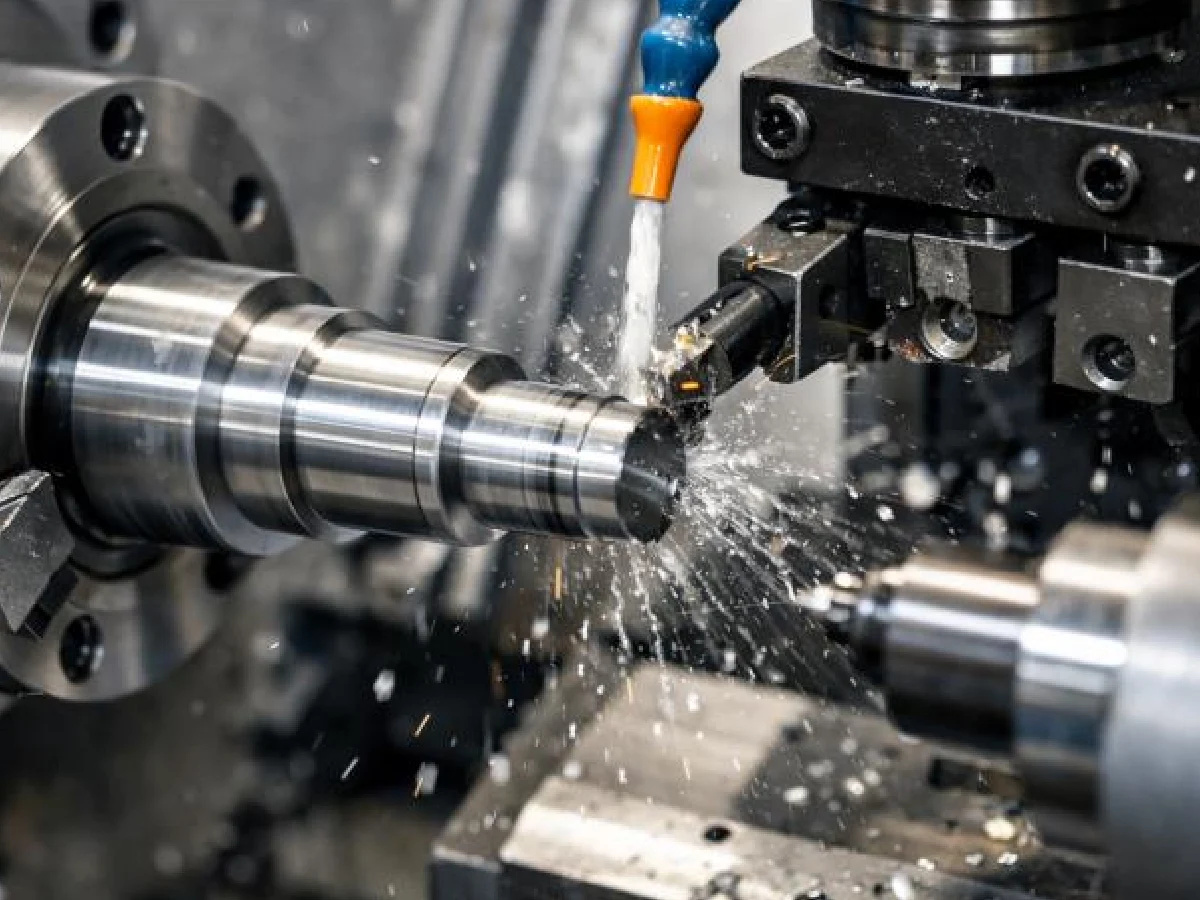
CNC turning is a machining process that rotates the workpiece while a fixed cutting tool removes material according to programmed instructions.
During machining:
- The workpiece rotates at high speed
- The cutting tool moves according to the CNC program
- Excess material is removed
The final component is produced according to engineering specifications.
Parts Suitable for CNC Turning
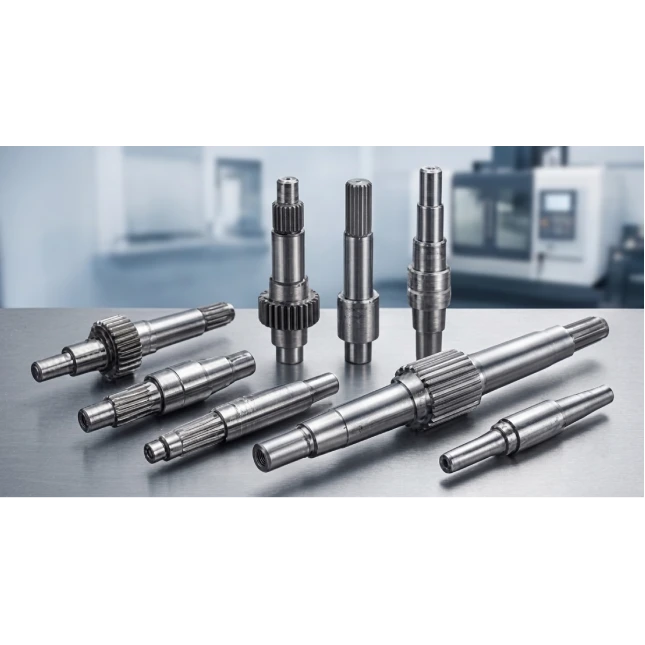
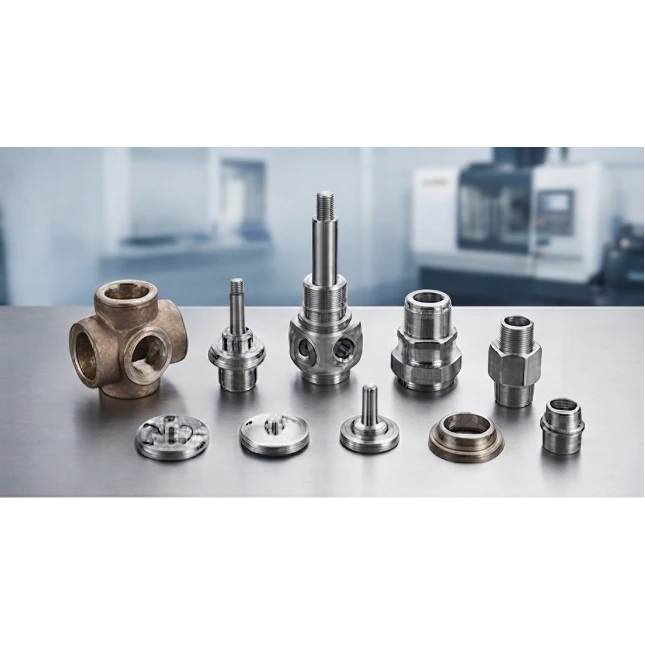
CNC turning is mainly used for rotational components, including:
- Shaft components
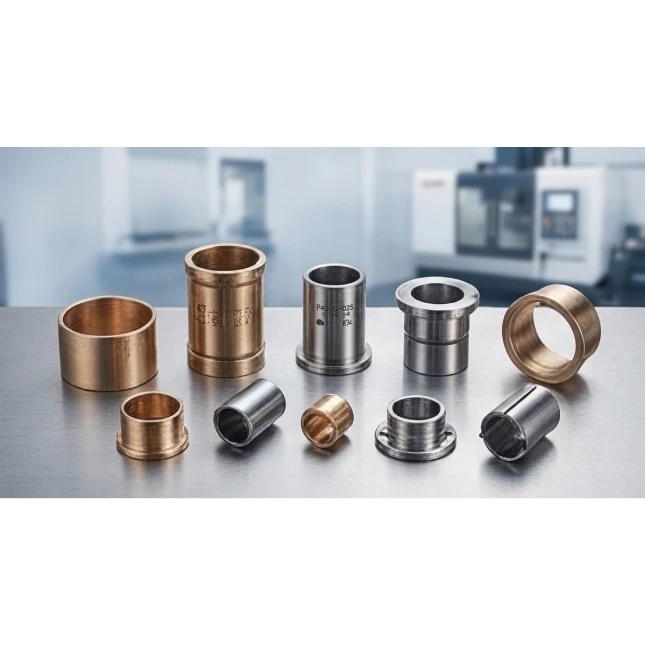
- Sleeves
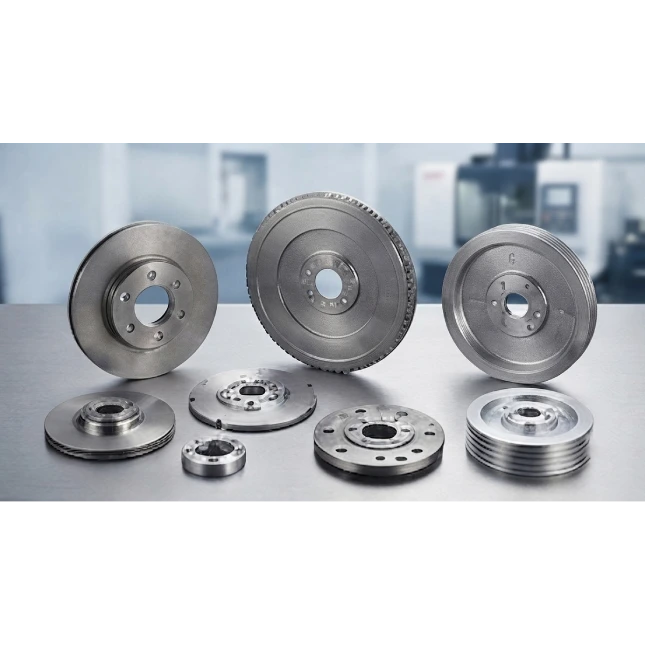
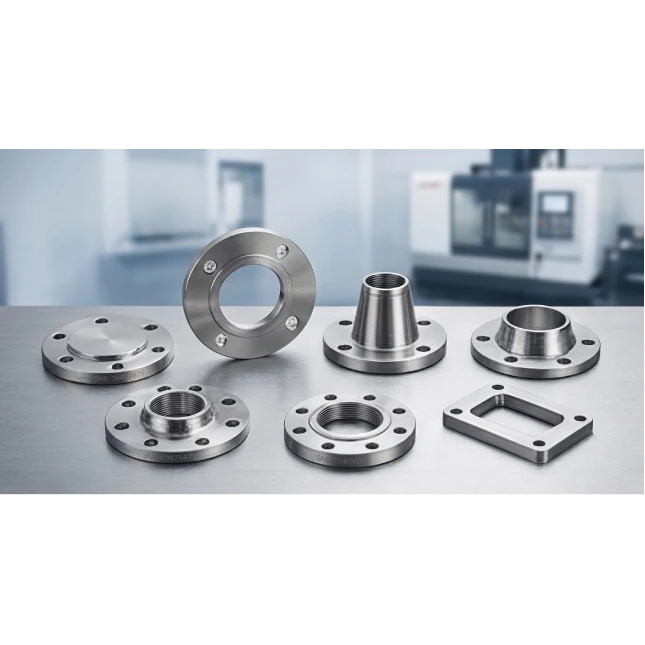
- Flanges
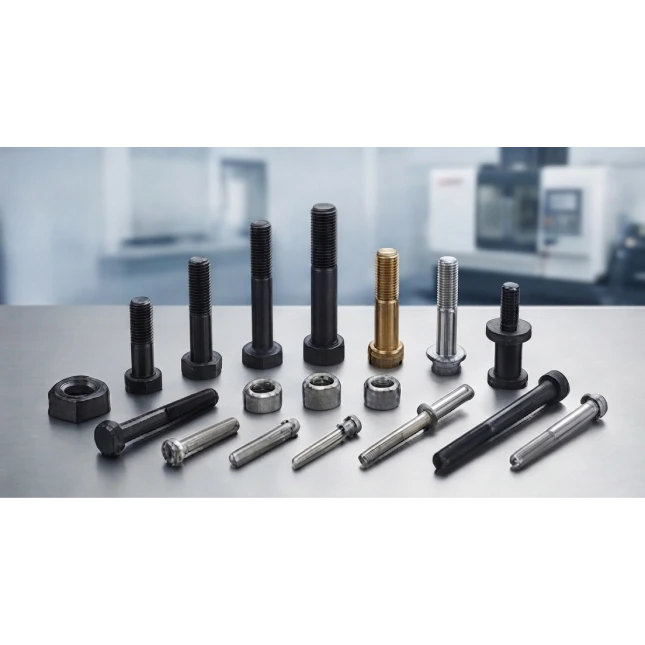
- Threaded parts
- Rotational structural components
Common applications:
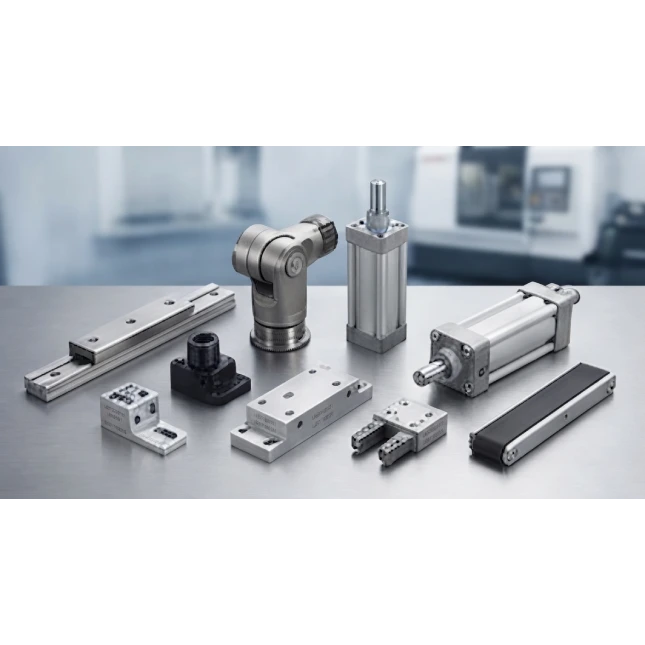
- Automation equipment parts
- Automotive components
- Industrial machinery parts
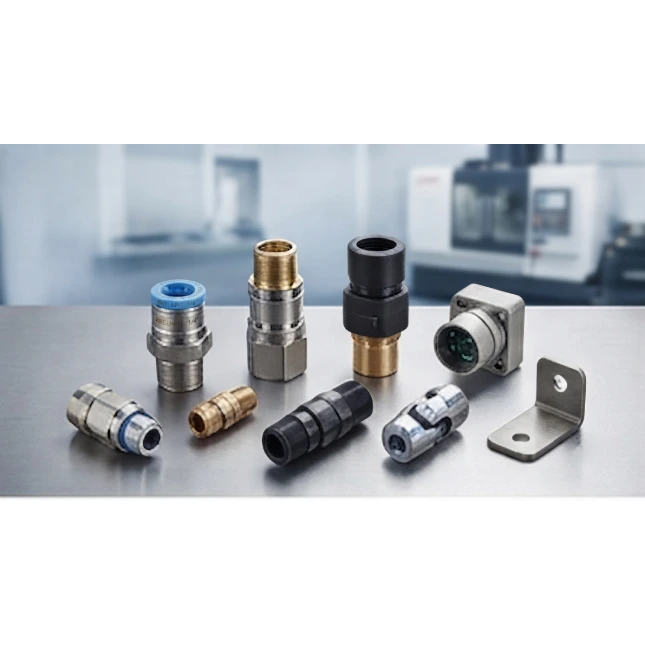
- Precision connectors
Advantages of CNC Turning
1. High Production Efficiency
For standard rotational components, CNC turning provides fast machining speed and excellent productivity.
2. Stable Dimensional Accuracy
CNC programming ensures consistent control of:
- Outer diameter dimensions
- Inner diameter dimensions
- Concentricity requirements
3. Suitable for Mass Production
For repeated production requirements, CNC turning provides reliable and consistent manufacturing capability.
2.CNC Milling
What Is CNC Milling?
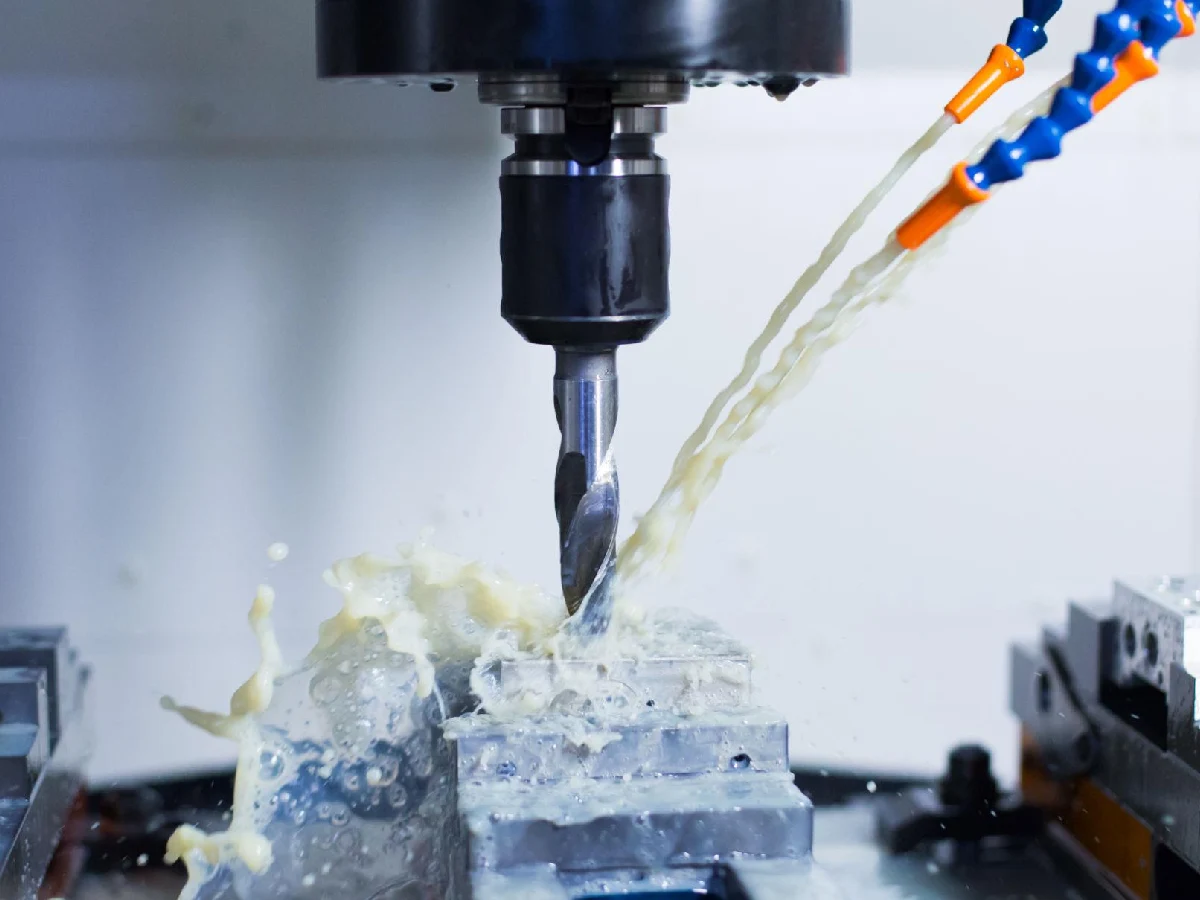
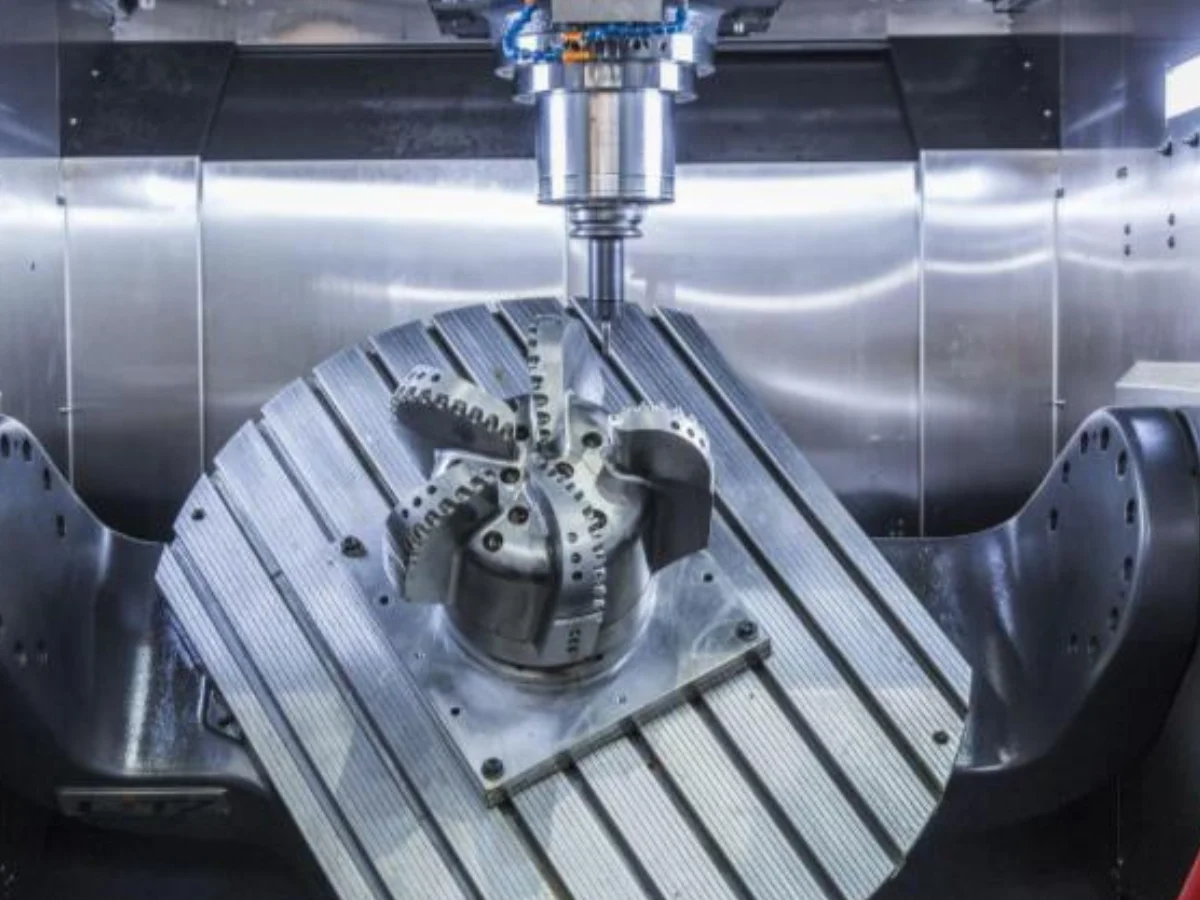
CNC milling uses rotating cutting tools to remove material from a fixed workpiece.
Unlike turning:
- The cutting tool rotates
- The workpiece remains fixed
Multi-directional tool movement enables the production of complex geometries.
Parts Suitable for CNC Milling
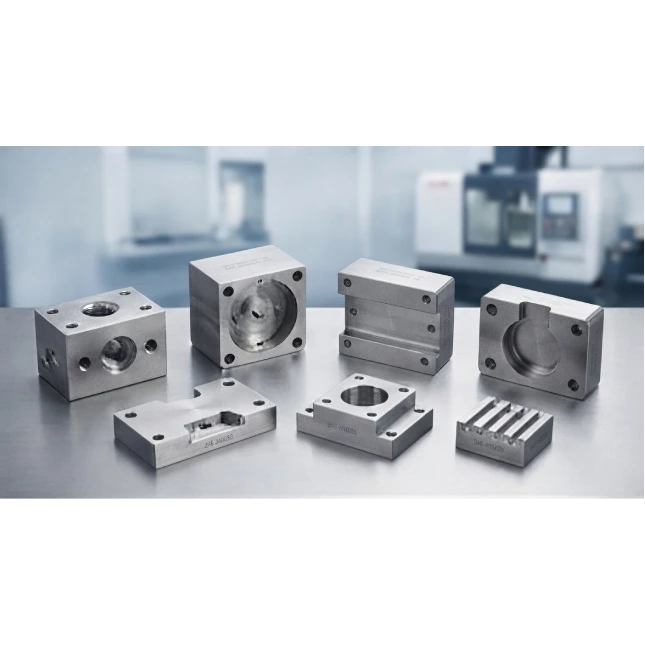
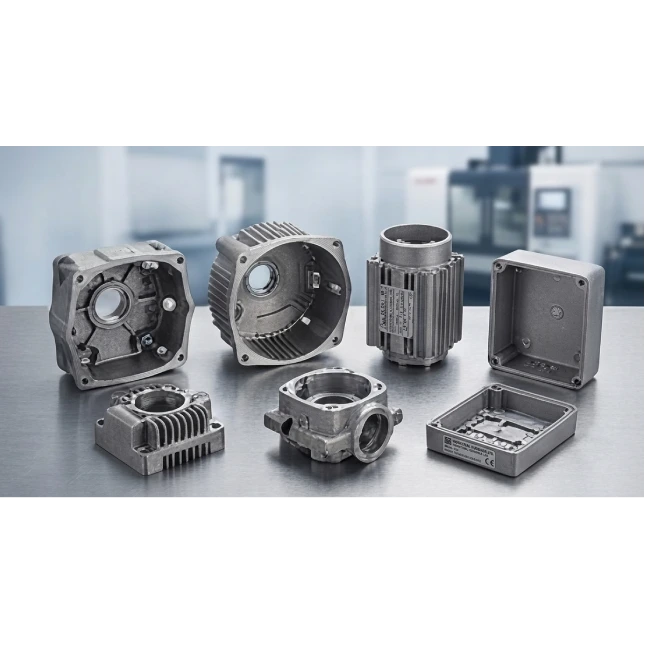
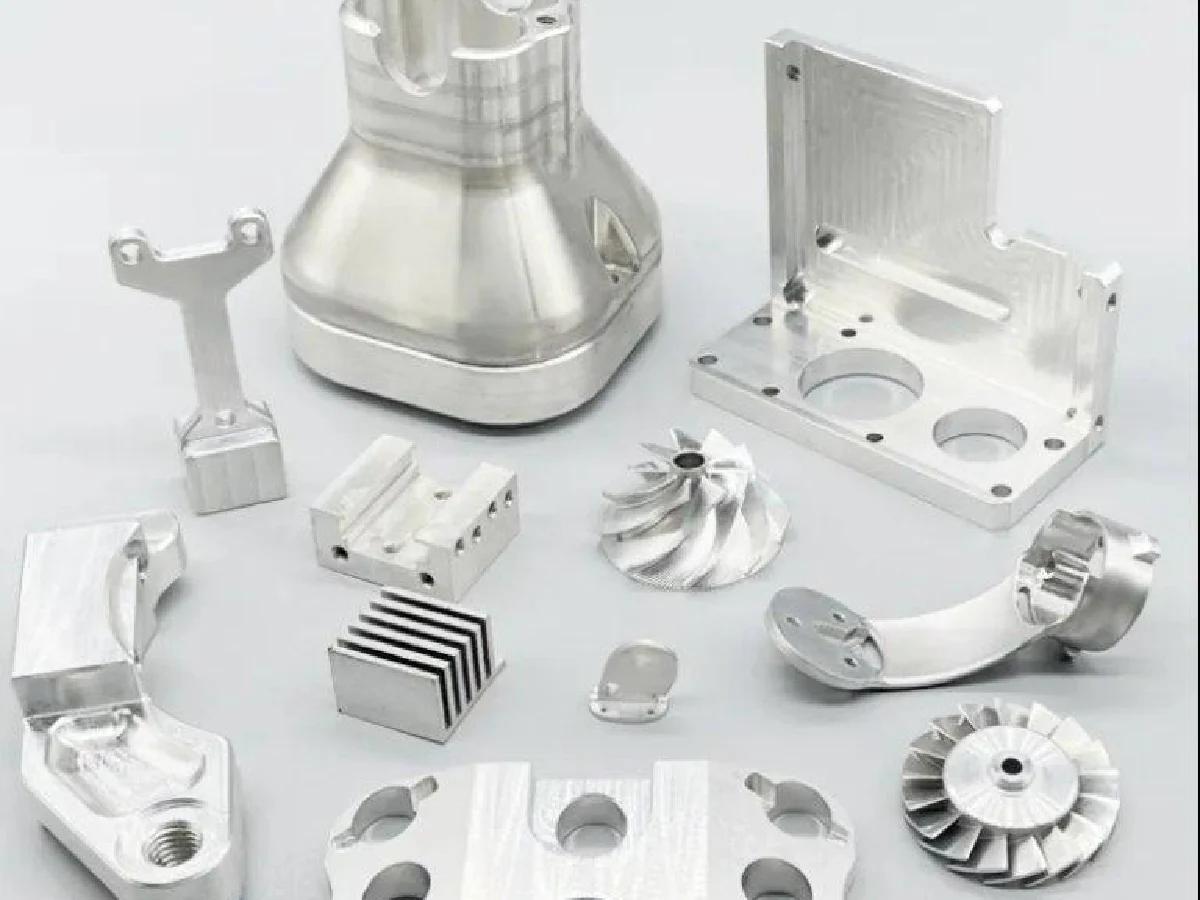
CNC milling is widely used for:
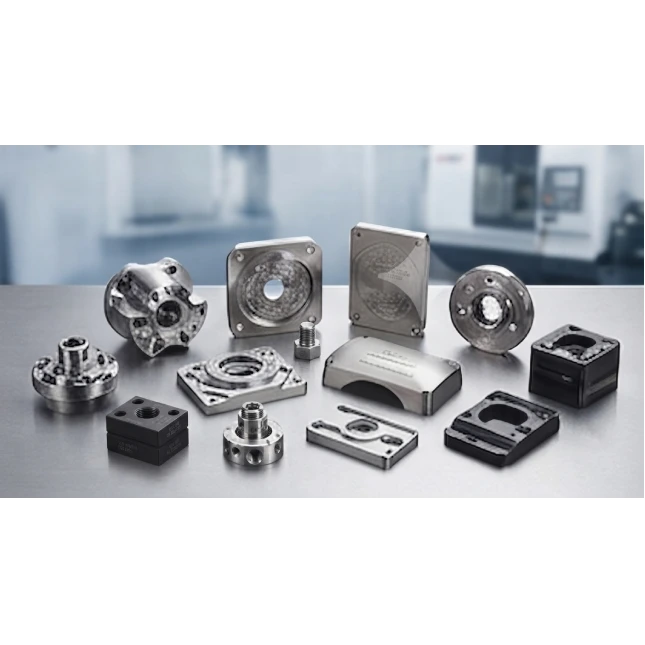
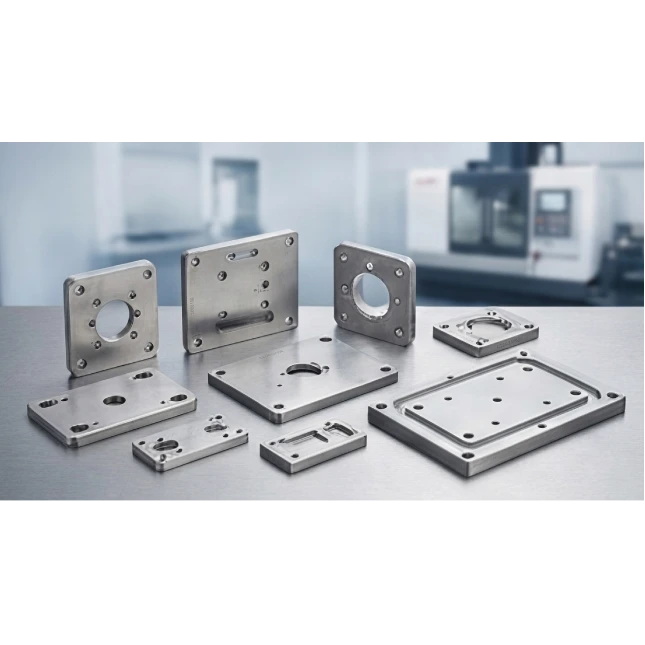
- Mechanical structural components
- Equipment brackets
- Aluminum parts
- Precision housings
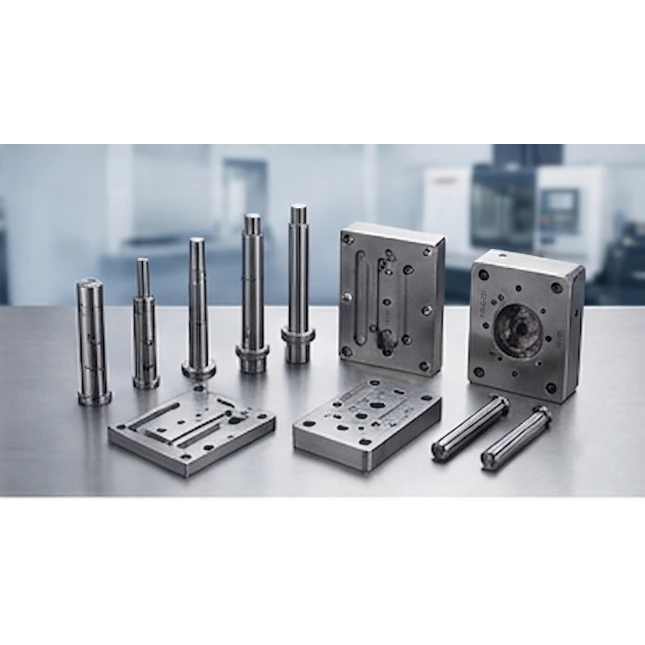
- Mold components
It is especially suitable for:
- Surface machining
- Hole machining
- Slot machining
- Complex curved surfaces
Advantages of CNC Milling
1. Strong Complex Machining Capability
Using 3-axis, 4-axis, and 5-axis machining centers, manufacturers can produce highly complex geometries.
2. Wide Material Compatibility
Suitable materials include:
- Aluminum alloys
- Stainless steel
- Copper
- Engineering plastics
- Special alloys
3. High Precision
Advanced machining centers combined with precision inspection equipment can meet strict tolerance requirements.
3.Turn-Mill Machining
What Is Turn-Mill Machining?
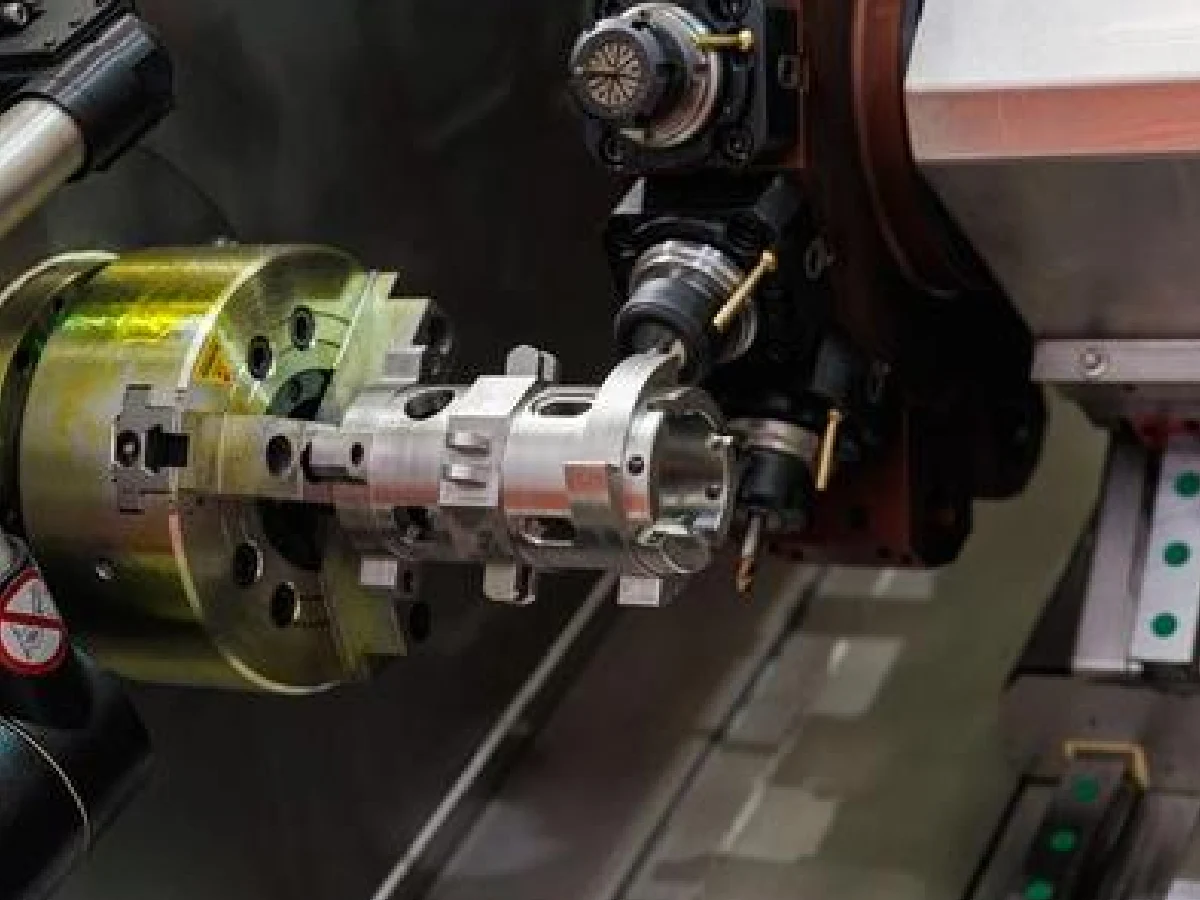
Turn-mill machining combines:
into an integrated manufacturing process.
A single machine setup can complete:
- External turning
- Milling operations
- Drilling
- Tapping
- Complex machining features
Advantages of Turn-Mill Machining
1. Reduced Repositioning and Setup
raditional process:
Turning → Transfer → Milling
Turn-mill machining:
Multiple operations completed in one setup.
Benefits:
- Reduced positioning errors
- Improved machining accuracy
- Shorter production cycle
2. Ideal for Complex Precision Components
Especially suitable for:
- Complex shafts
- High-precision connectors
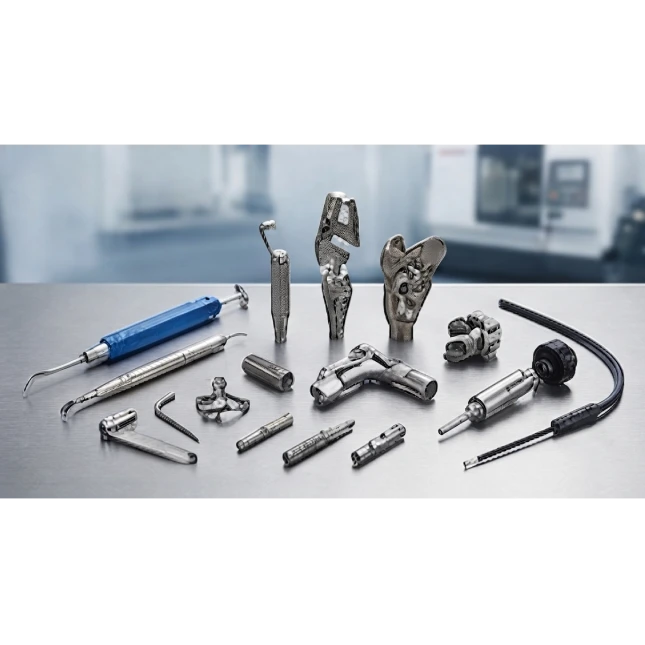
- Medical equipment components
- Automation equipment parts
4.How to Choose Between CNC Turning, Milling, and Turn-Mill Machining?
The best machining method depends on several factors.
1. Part Geometry
Rotational components:
Recommended:
CNC turning
Complex structural parts:
Recommended:
CNC milling
Multi-process complex components:
Recommended:
Turn-mill machining
2. Precision Requirements
For parts requiring:
- High concentricity
- Tight positional accuracy
- Consistency between multiple machining surfaces
Turn-mill machining can provide significant advantages.
3. Production Volume
Low-volume and high-mix production:
CNC machining centers provide greater flexibility.
Mass production:
CNC turning offers higher production efficiency.
5.CNC Machining Capability of Qingdao Likunda CNC Machinery Co., Ltd.
Qingdao Likunda CNC Machinery Co., Ltd. provides optimized CNC manufacturing solutions based on different part structures and customer requirements.
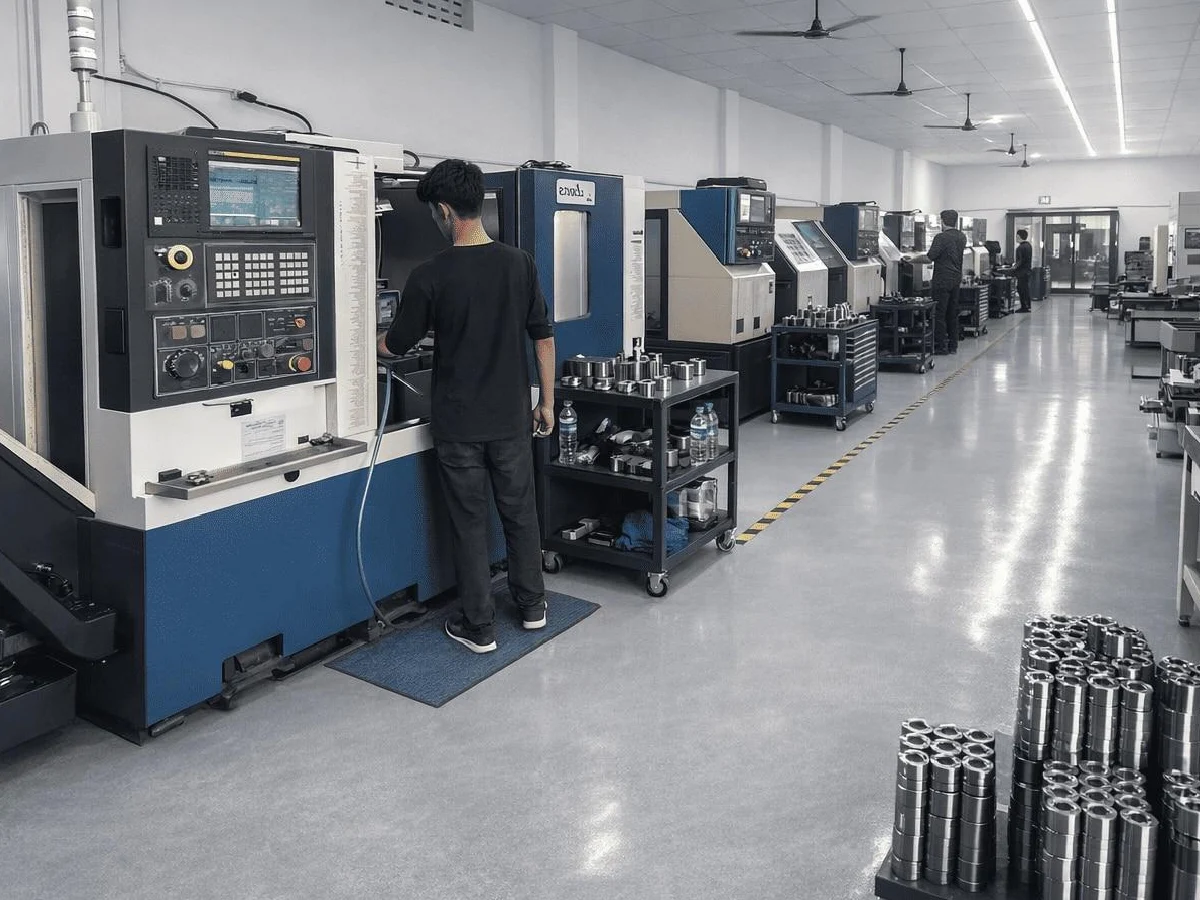
Our manufacturing equipment includes:
- CNC lathes
- Turn-mill machining centers
- Vertical machining centers
- Horizontal machining centers
- Multi-axis machining centers
Our capabilities include:
- Precision shaft machining
- Complex component manufacturing
- Multi-process machining
- Low-volume custom production
Quality inspection equipment includes:
- CMM coordinate measuring machines
- Optical measurement systems
- Hardness testing equipment
Through advanced manufacturing capability and strict quality control, we ensure every batch meets customer specifications.
Conclusion
CNC turning, CNC milling, and turn-mill machining do not have a simple ranking of which is better.
The key is selecting the most suitable manufacturing process according to part structure, precision requirements, and production needs.
A professional CNC machining supplier requires not only advanced equipment but also strong engineering experience and process knowledge to provide reliable, high-quality custom manufacturing solutions.