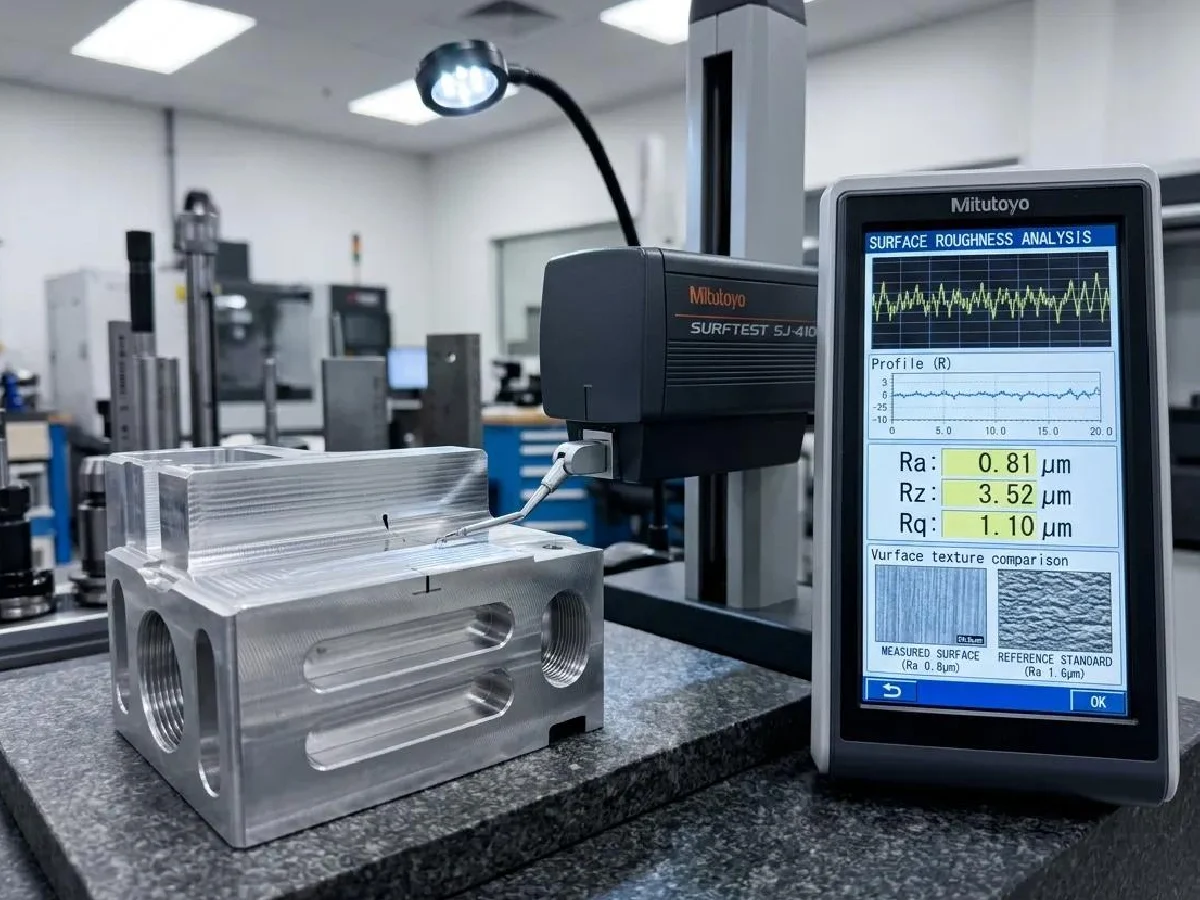
Why Do CNC Parts Need Surface Treatment?
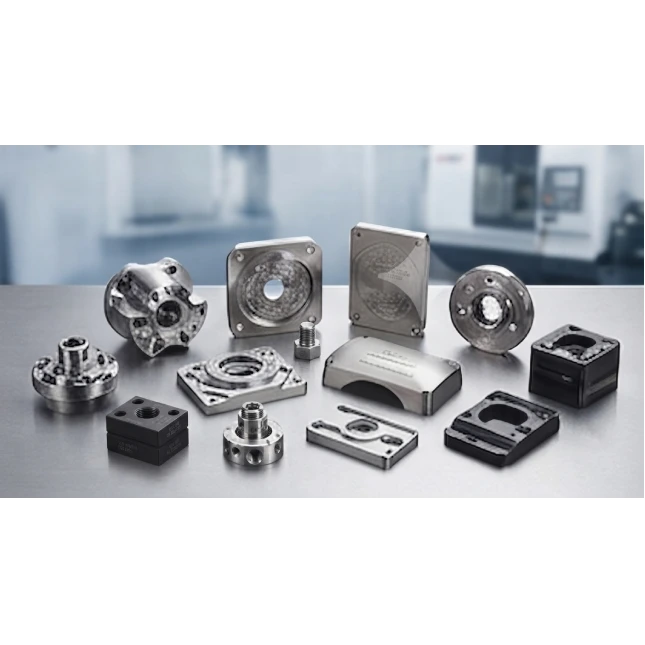
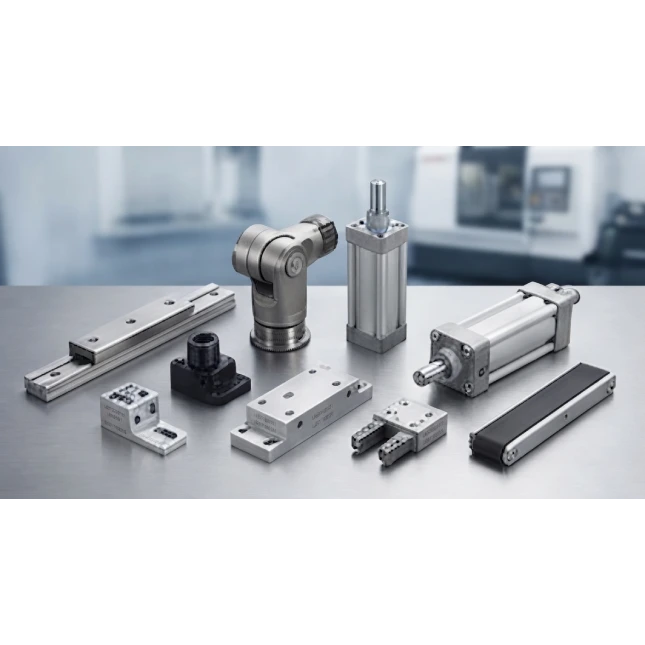
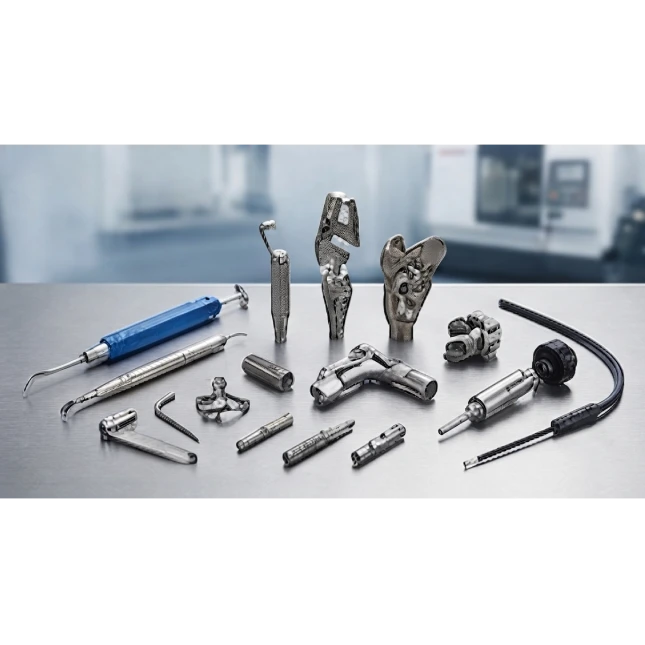
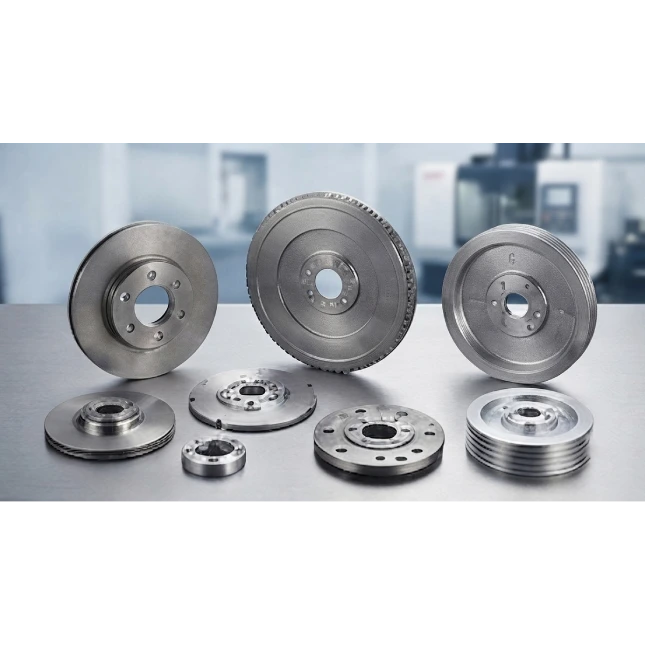
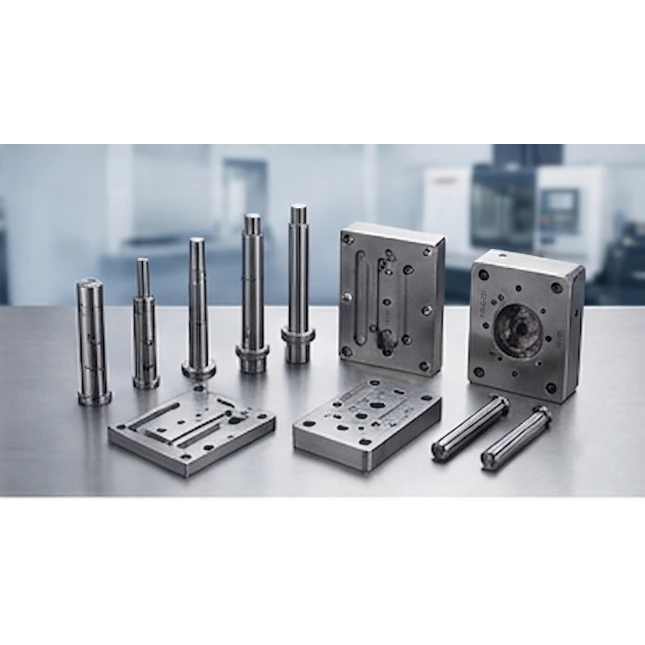
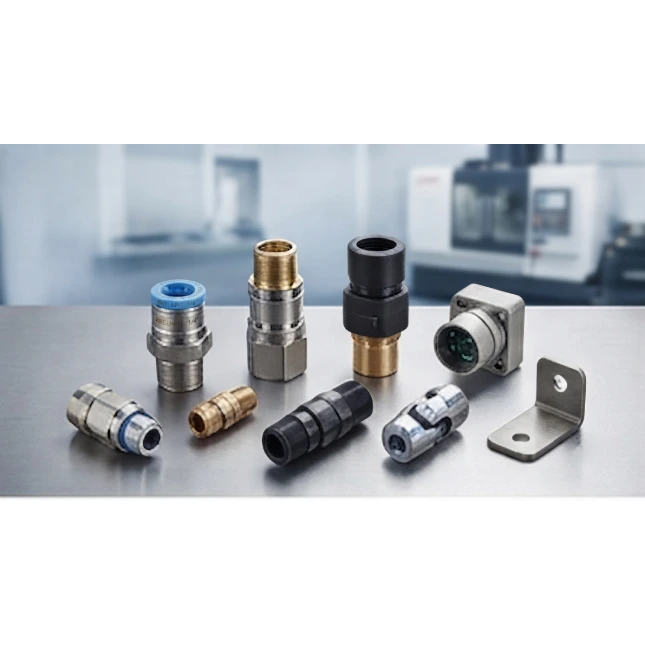
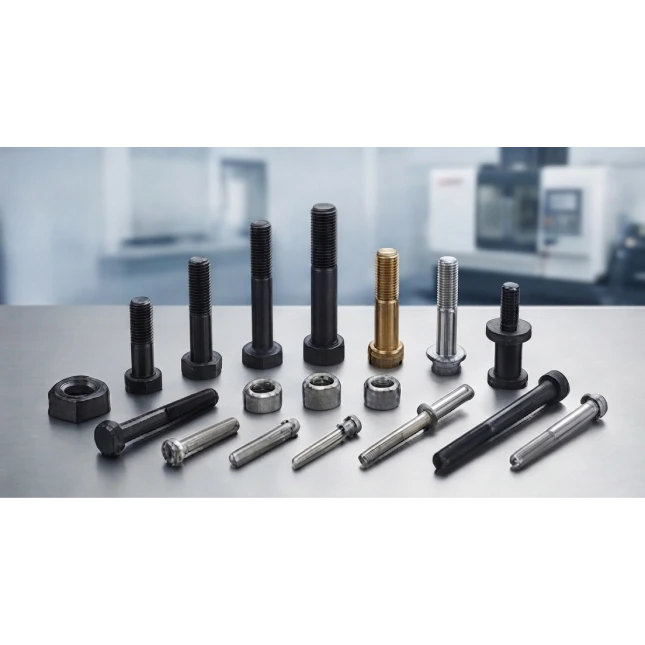
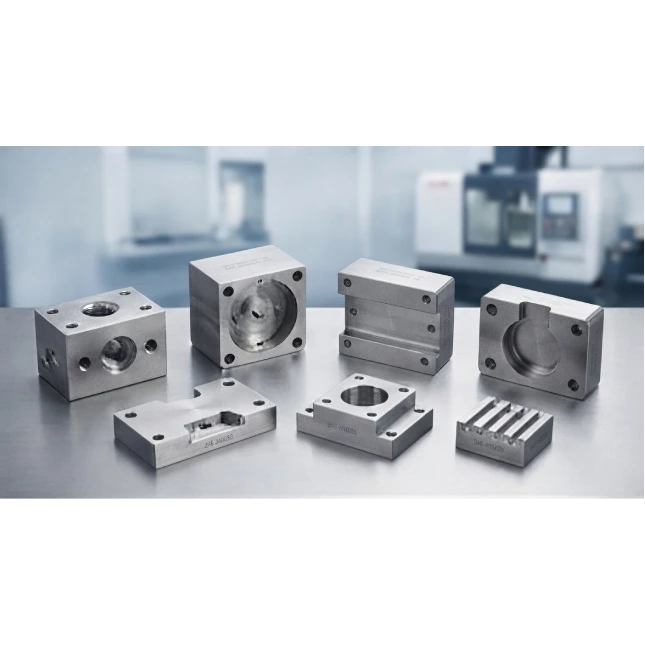
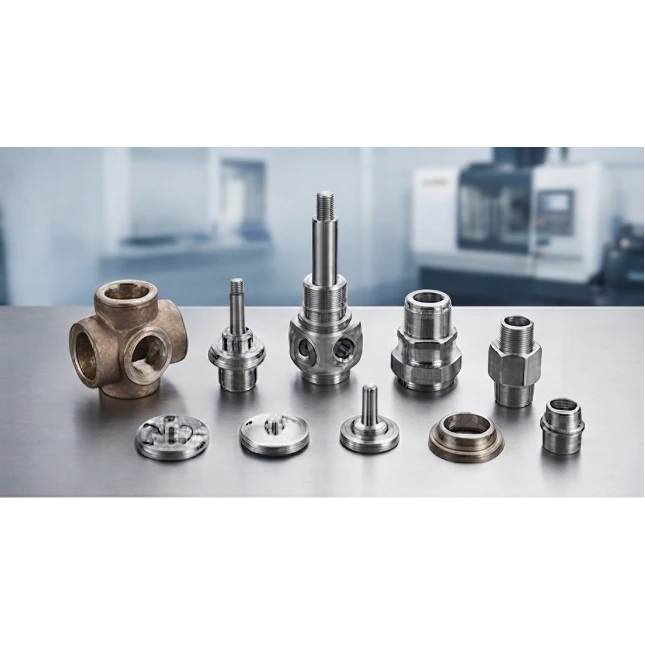
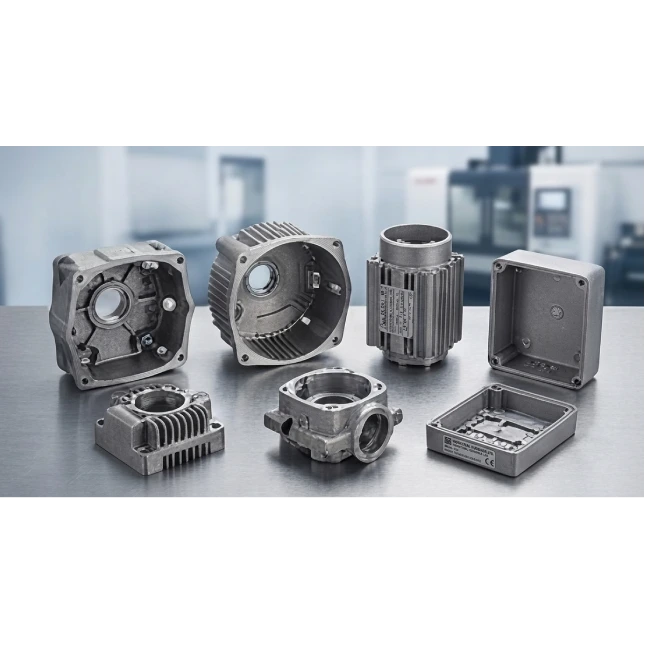
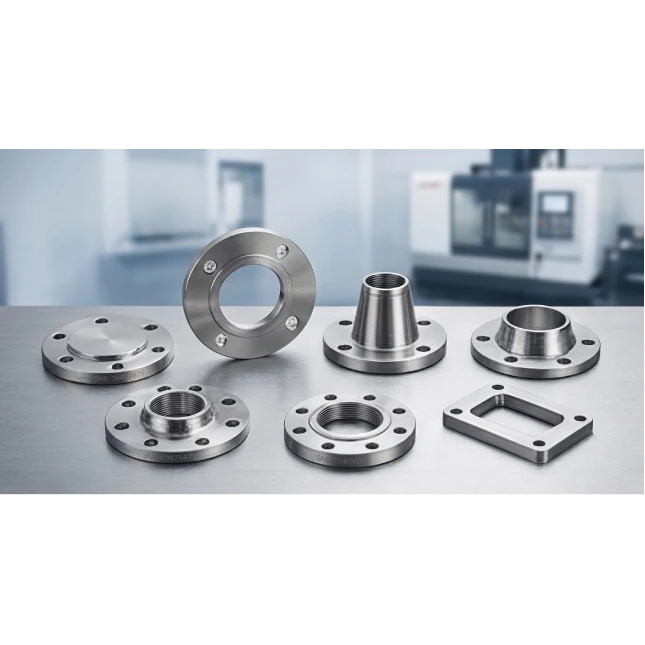
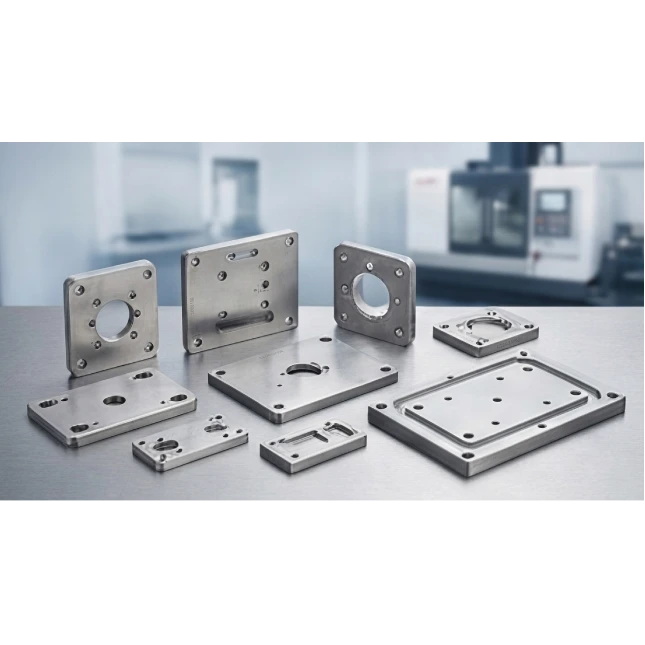
During CNC machining, cutting tools directly contact the material surface to achieve the final dimensions and geometry.
Although precision machining can achieve tight tolerances, many components require additional surface enhancement to perform reliably in real-world operating environments.
The main purposes of surface treatment include:
- Improving corrosion resistance
- Increasing surface hardness
- Enhancing wear resistance
- Improving appearance quality
- Extending service life
For example:
Aluminum alloy parts can achieve improved corrosion resistance through anodizing.
Steel components can obtain higher surface hardness and wear resistance through proper surface treatment and heat treatment processes.
1.Anodizing
What Is Anodizing?
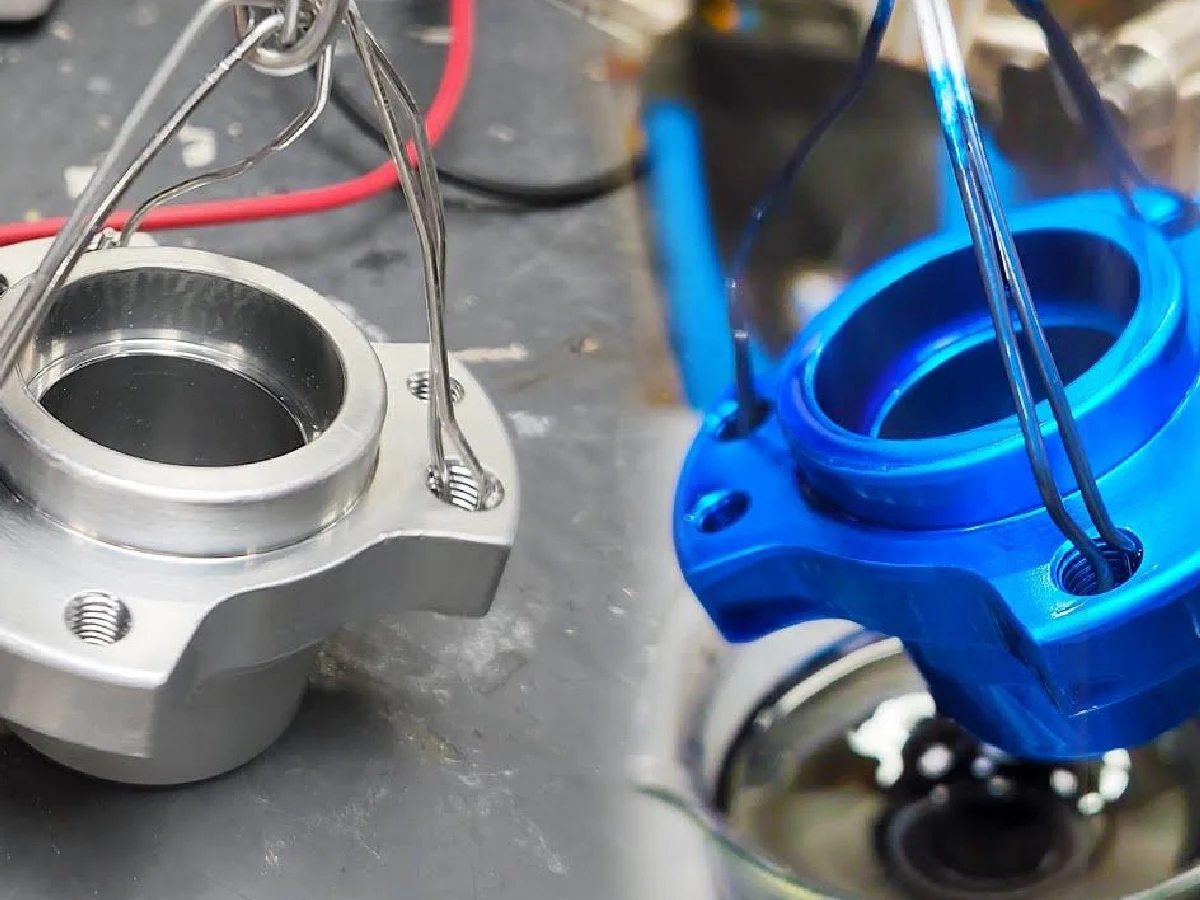
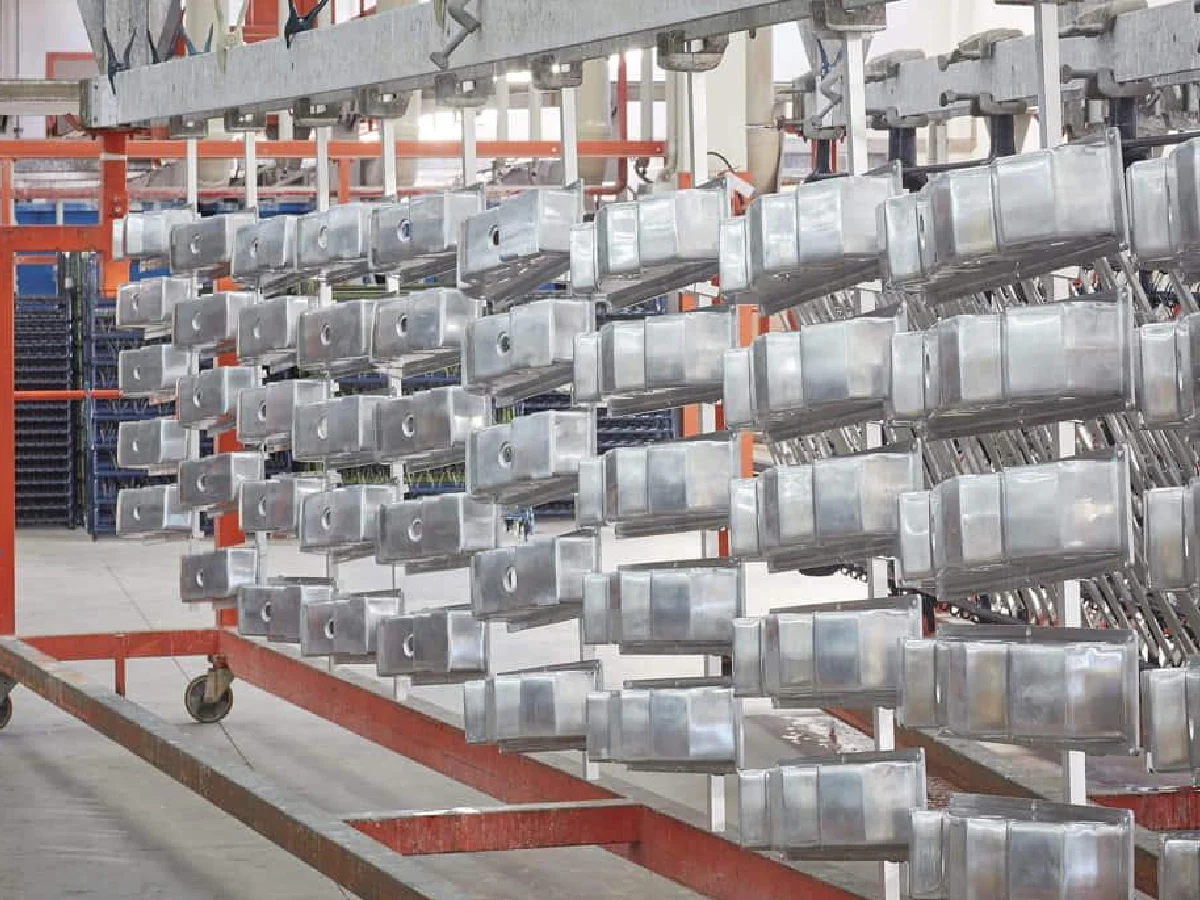
Anodizing is one of the most widely used surface treatment processes for aluminum CNC parts.
Through an electrochemical process, a protective oxide layer is formed on the aluminum surface.
This oxide layer provides:
- Improved corrosion resistance
- Increased surface hardness
- Enhanced appearance quality
Advantages of Anodizing
1. Improved Corrosion Resistance
The oxide layer protects the aluminum surface and reduces:
- Oxidation
- Corrosion
- Environmental impact
Applications:
- Automation equipment components
- Electronic housings
- Precision mechanical parts
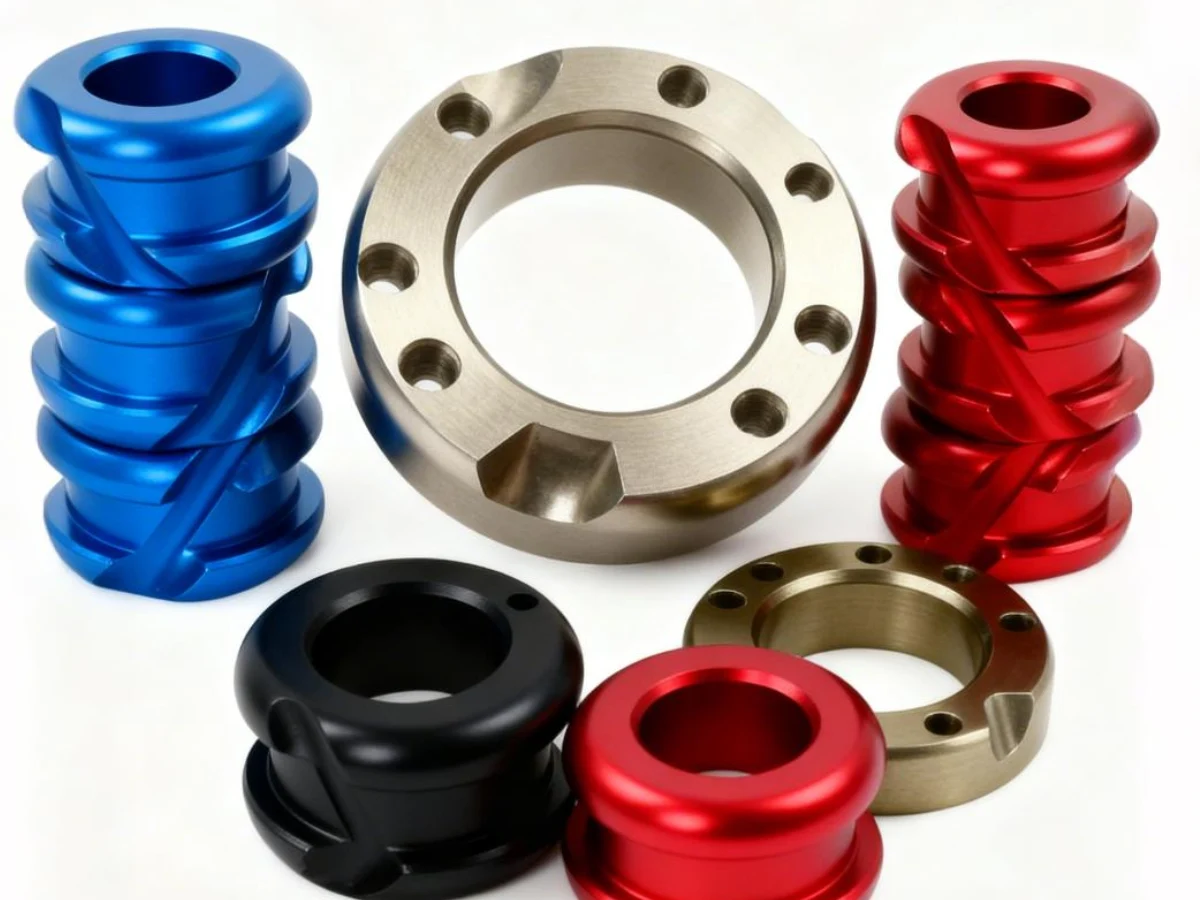
2. Various Appearance Options
Anodizing can provide different surface colors, including:
It is widely used for industrial products requiring high appearance quality.
3. Maintains Dimensional Stability
Because the anodized layer is relatively thin, it has minimal impact on precision component dimensions.
Suitable for:
- High-precision aluminum parts
- Precision structural components
2.Electroplating
What Is Electroplating?
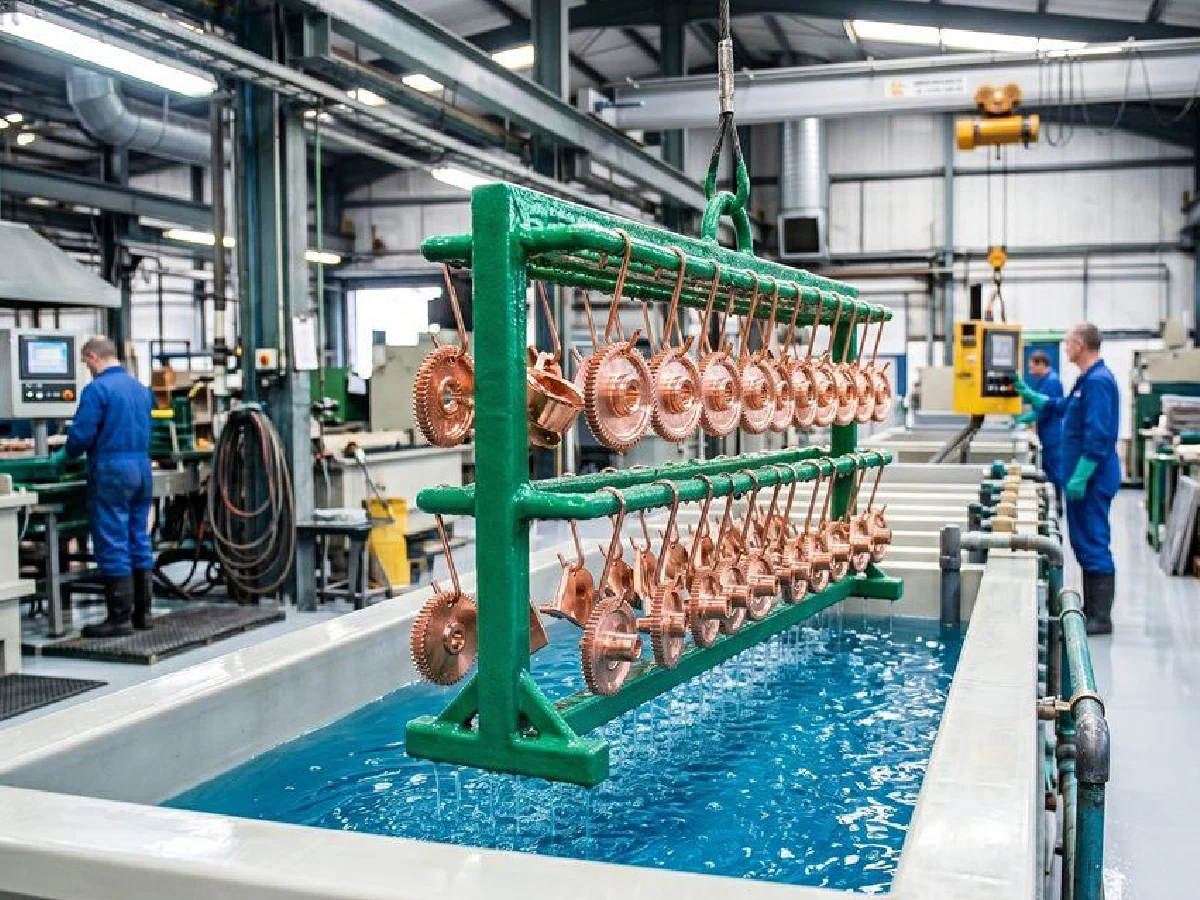
Electroplating is a surface treatment process that uses electrochemical methods to deposit a protective metal layer on the component surface.
Common types include:
- Nickel plating
- Chrome plating
- Zinc plating
Main Benefits of Electroplating
1. Improved Corrosion Resistance
The plating layer protects the base material and extends component service life.
Applications:
- Steel components
- Mechanical connectors
- Industrial equipment parts
2. Enhanced Wear Resistance
Certain plating processes improve:
- Surface hardness
- Friction performance
Suitable for long-term moving components.
3. Improved Surface Appearance
Electroplating can provide:
- Smooth surface finish
- Metallic appearance
- Enhanced visual quality
3.Sand Blasting
What Is Sand Blasting?
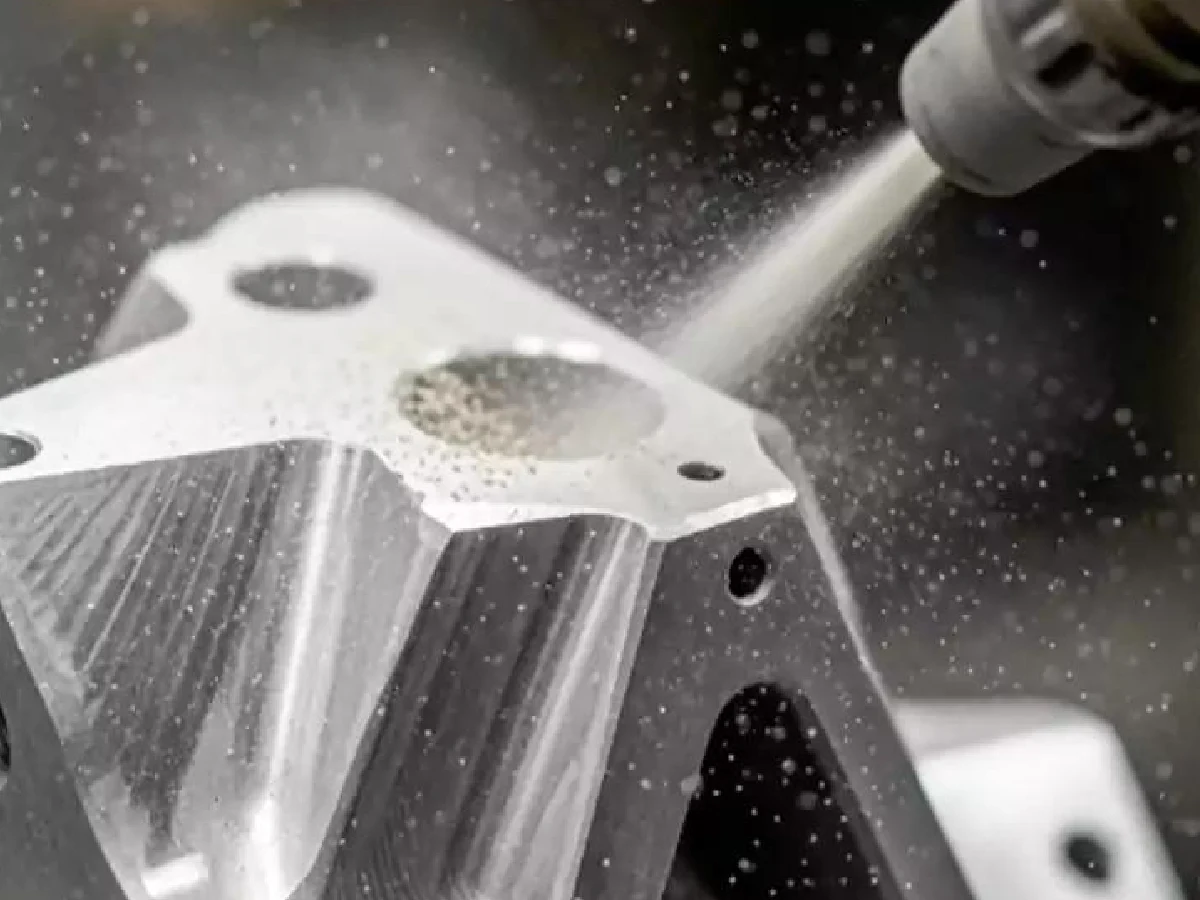
Sand blasting uses high-speed abrasive particles to treat the component surface and create a uniform texture.
Benefits of Sand Blasting
Improved Surface Texture
Sand blasting removes:
- Machining marks
- Surface irregularities
and creates a consistent matte finish.
Applications:
- Industrial appearance components
- Aluminum housings
- Precision structural parts
4.Protective Coating
What Is Protective Coating?
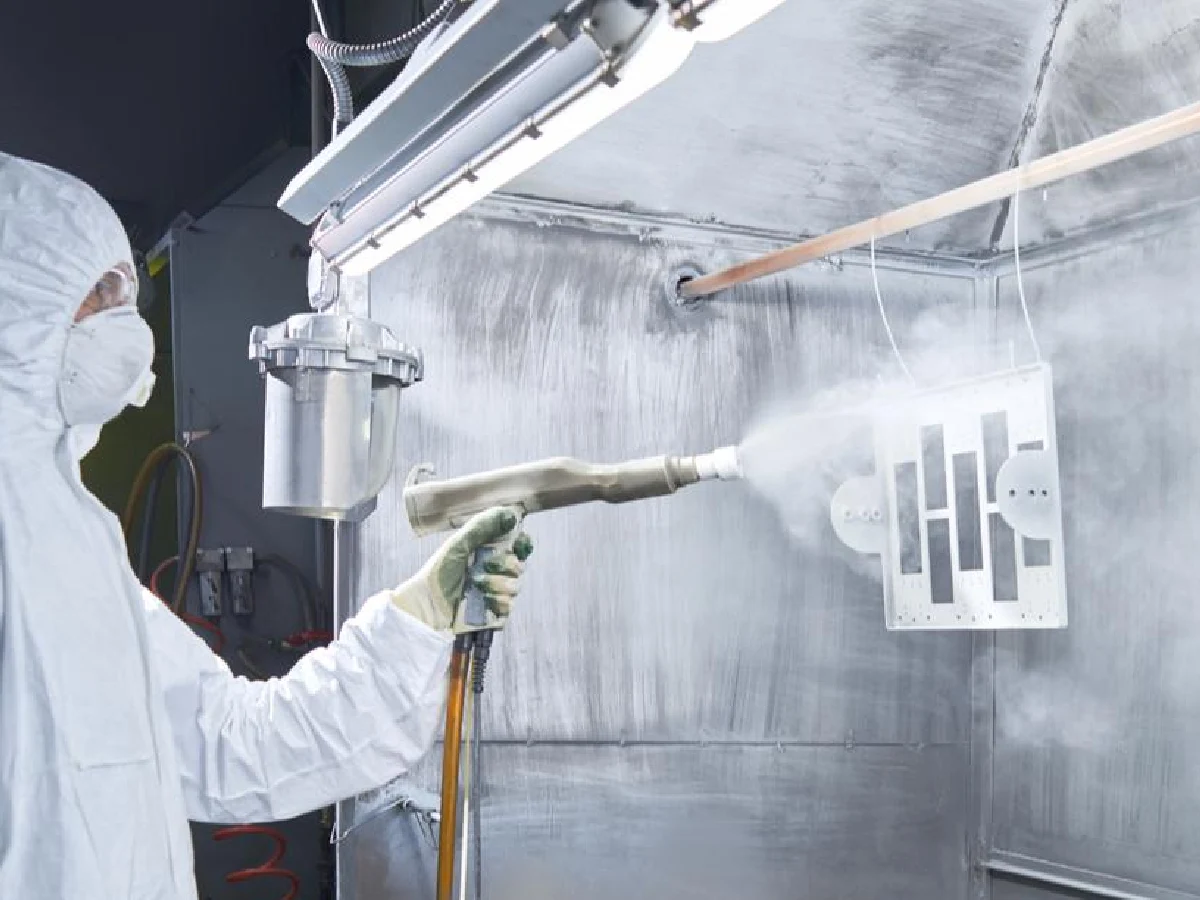
Protective coating forms a protective layer on component surfaces to improve resistance against environmental conditions.
Advantages:
- Corrosion protection
- Improved appearance
- Enhanced weather resistance
Applications:
- Industrial equipment
- Outdoor machinery
- Components used in harsh environments
5.Heat Treatment
What Is Heat Treatment?
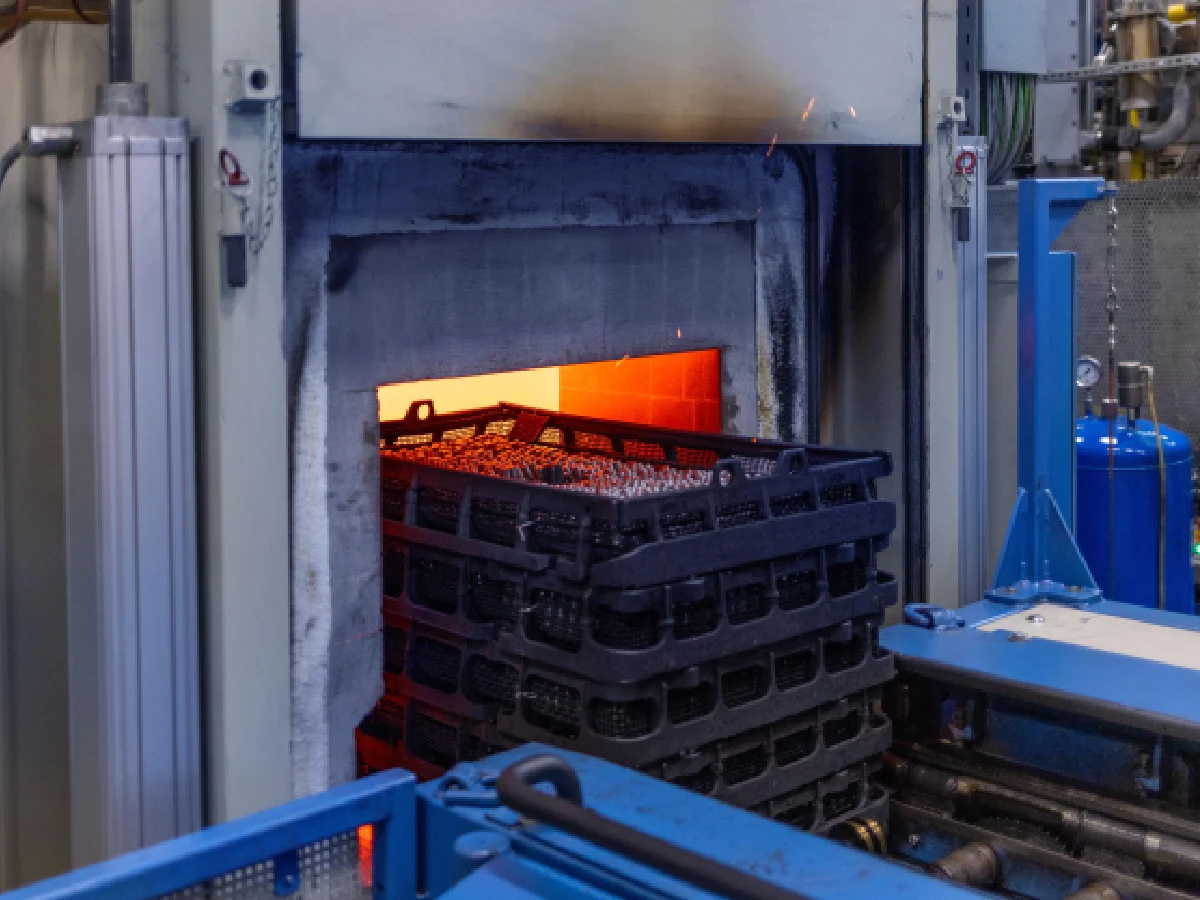
Heat treatment improves material properties by changing the internal structure of metals.
Main purposes:
- Increasing hardness
- Improving strength
- Enhancing wear resistance
Applications:
- Steel components
- Shaft parts
- High-load mechanical components
How to Choose the Right Surface Treatment?
Selection should consider:
1. Material Type
Aluminum alloy:
Recommended:
Steel:
Recommended:
- Electroplating
- Heat treatment
2. Operating Environment
Normal environment:
Basic surface treatment may be sufficient.
Moisture or corrosive environment:
Stronger protective treatment is recommended.
3. Functional Requirements
If the requirement is:
Wear resistance:
Choose:
Hardening treatment
Appearance quality:
Choose:
Sand blasting or anodizing
Surface Treatment Capability of Qingdao Likunda CNC Machinery Co., Ltd.
Qingdao Likunda CNC Machinery Co., Ltd. provides not only precision CNC machining services but also customized surface treatment solutions based on customer requirements.
Available surface treatments include:
- Anodizing
- Electroplating
- Sand blasting
- Protective coating
- Heat treatment
Through a complete manufacturing and quality control system, we provide one-stop manufacturing services from raw materials and precision machining to surface finishing.
Conclusion
Surface treatment is not only related to part appearance but also directly affects product performance and service life.
Selecting the correct surface treatment process helps CNC machined components achieve better corrosion resistance, wear resistance, and long-term reliability.
A professional CNC machining supplier requires not only advanced machining capability but also complete manufacturing supply chain management and quality control systems to meet diverse customer requirements.