Why Is Choosing the Right Metal Material Important in CNC Machining?
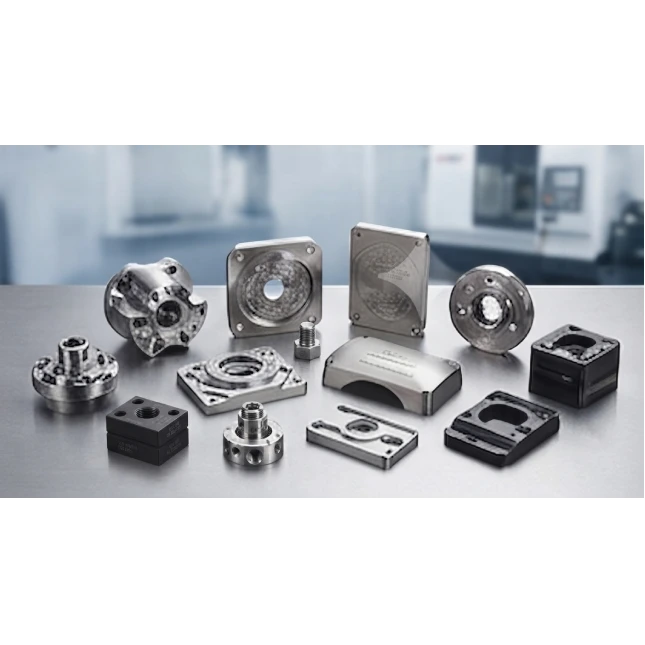
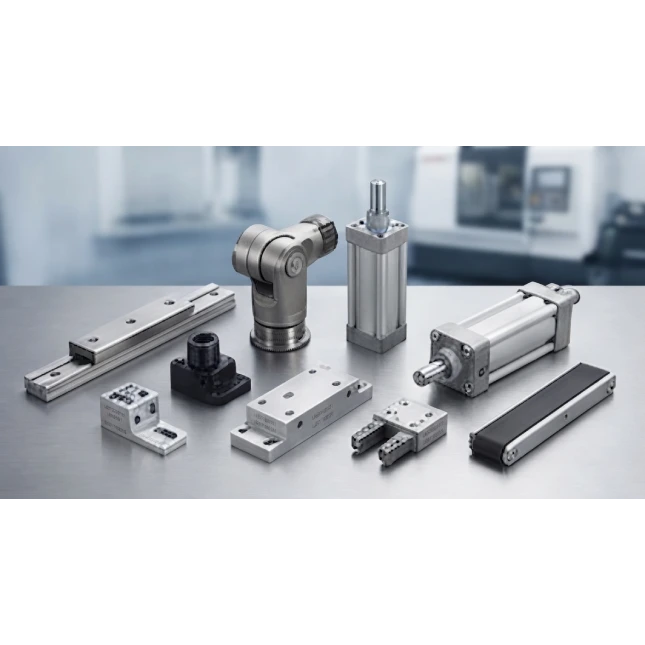
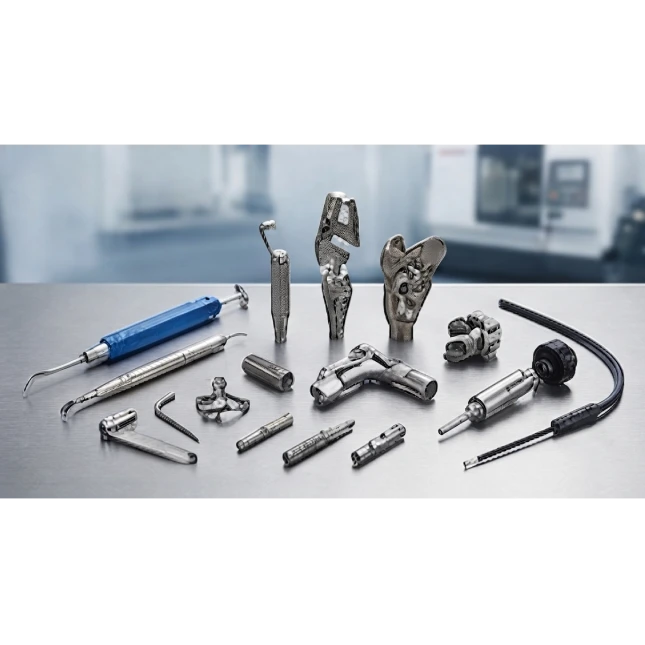
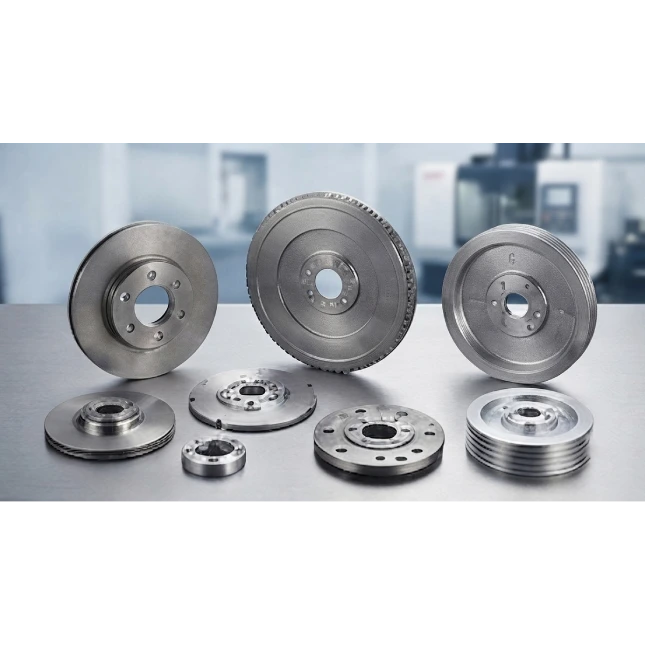
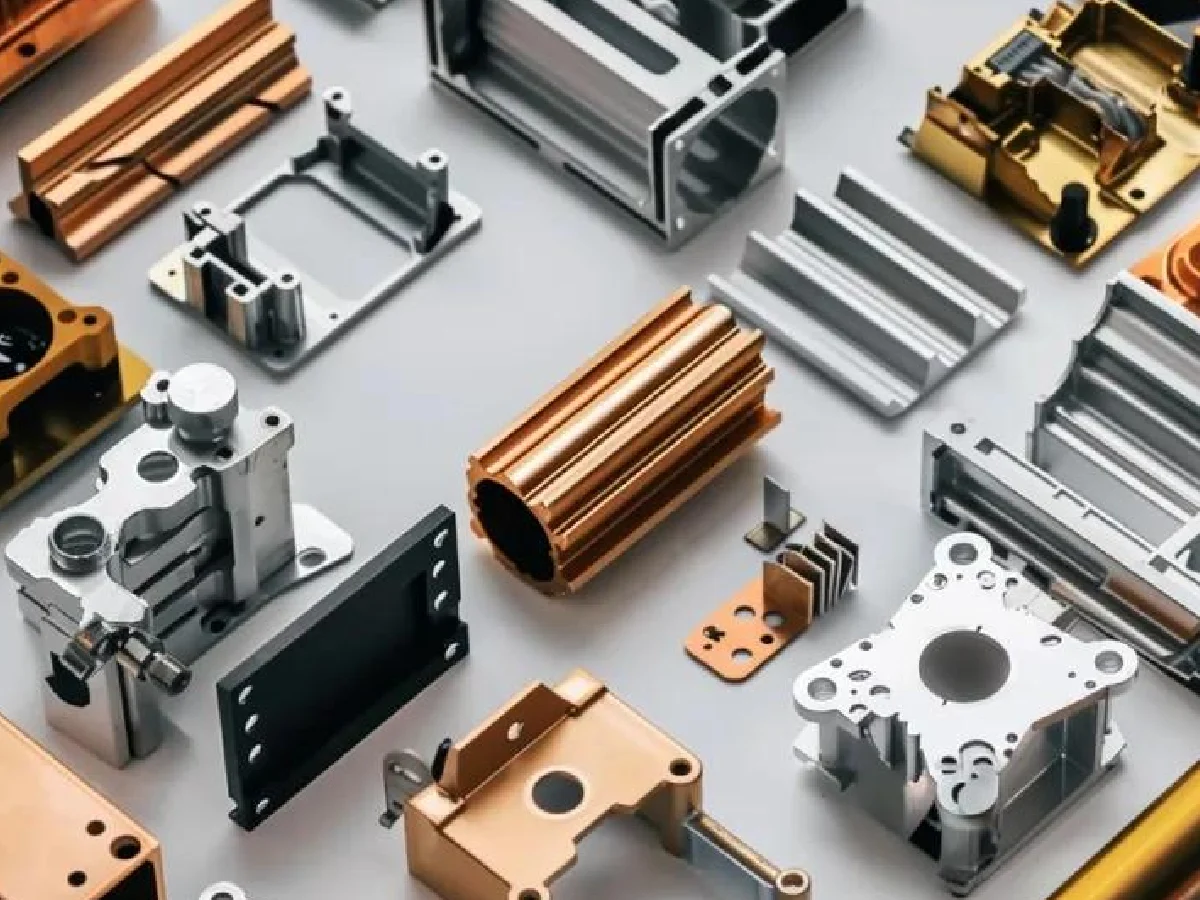
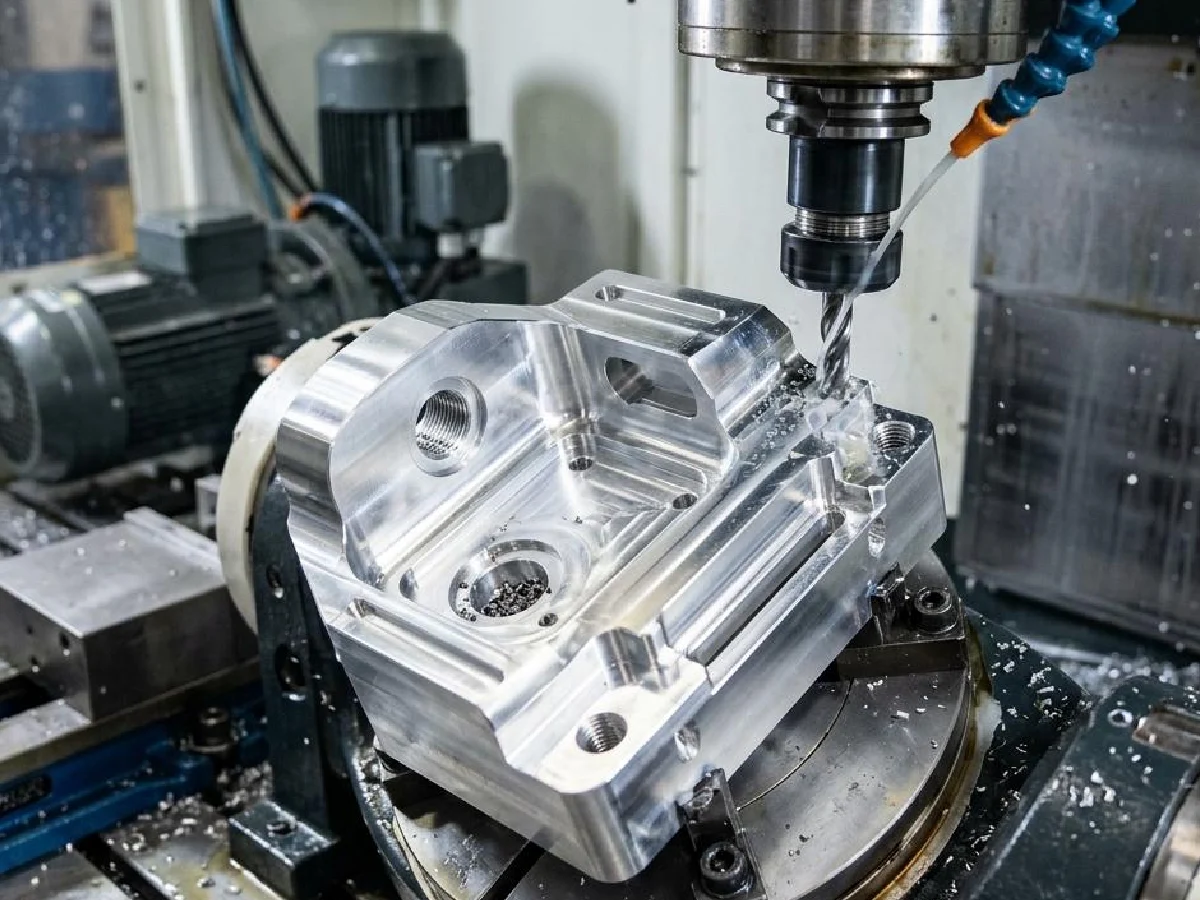
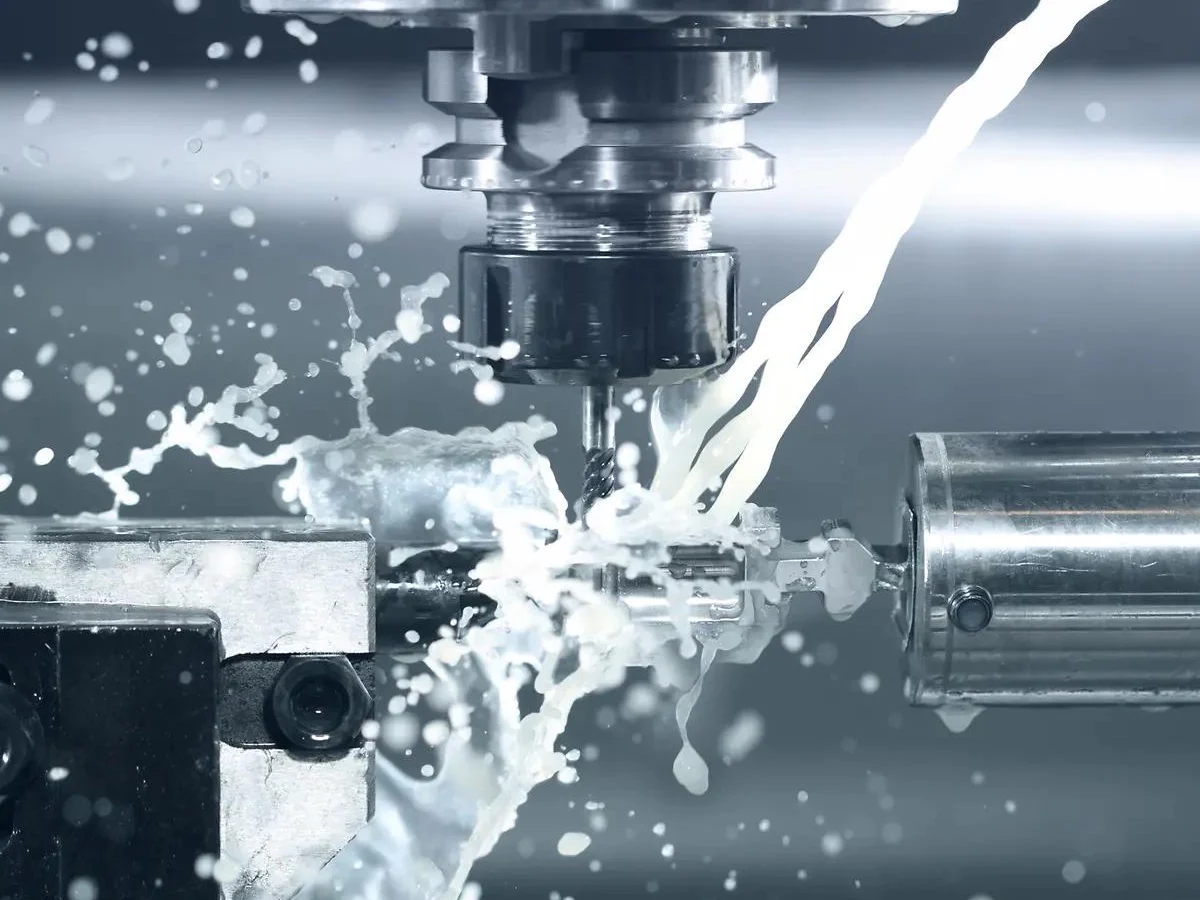
CNC machining uses cutting tools to remove material from metal stock and create precision components according to engineering drawings.
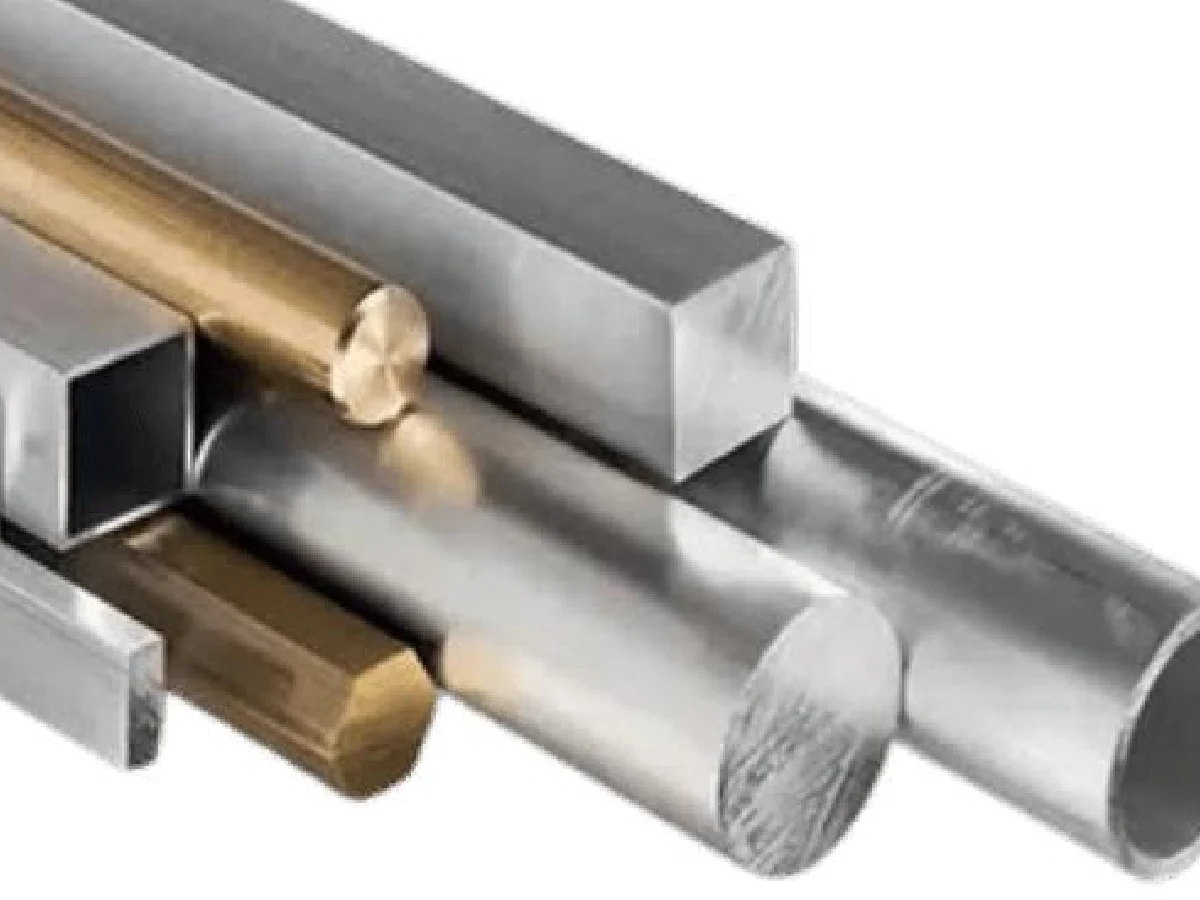
Different metal materials have different characteristics, including:
- Hardness
- Strength
- Machining difficulty
- Surface finishing performance
- Operating environment suitability
Therefore, selecting the correct material during the product design stage is essential.
Proper material selection directly affects:
- Machining efficiency
- Part accuracy
- Manufacturing cost
It also influences the final product performance, reliability, and service life.
1. Aluminum Alloy: An Ideal Material for Lightweight and High-Efficiency Machining
Characteristics of Aluminum Alloy
Aluminum alloy is one of the most widely used metal materials in CNC machining.
The main advantages include:
1. Lightweight
Aluminum alloy has a lower density and provides significant weight advantages compared with steel materials.
Therefore, it is widely used in:
- Automation Equipment
- Aerospace structural components
- Electronic equipment housings
- Precision mechanical parts
2. Excellent Machinability
Aluminum alloy offers excellent cutting performance.
During CNC machining:
- Low cutting resistance
- Fast machining speed
- Reduced tool wear
Suitable for:
- High-efficiency production
- Complex structure machining
- Precision part manufacturing
3. Excellent Surface Finishing Capability
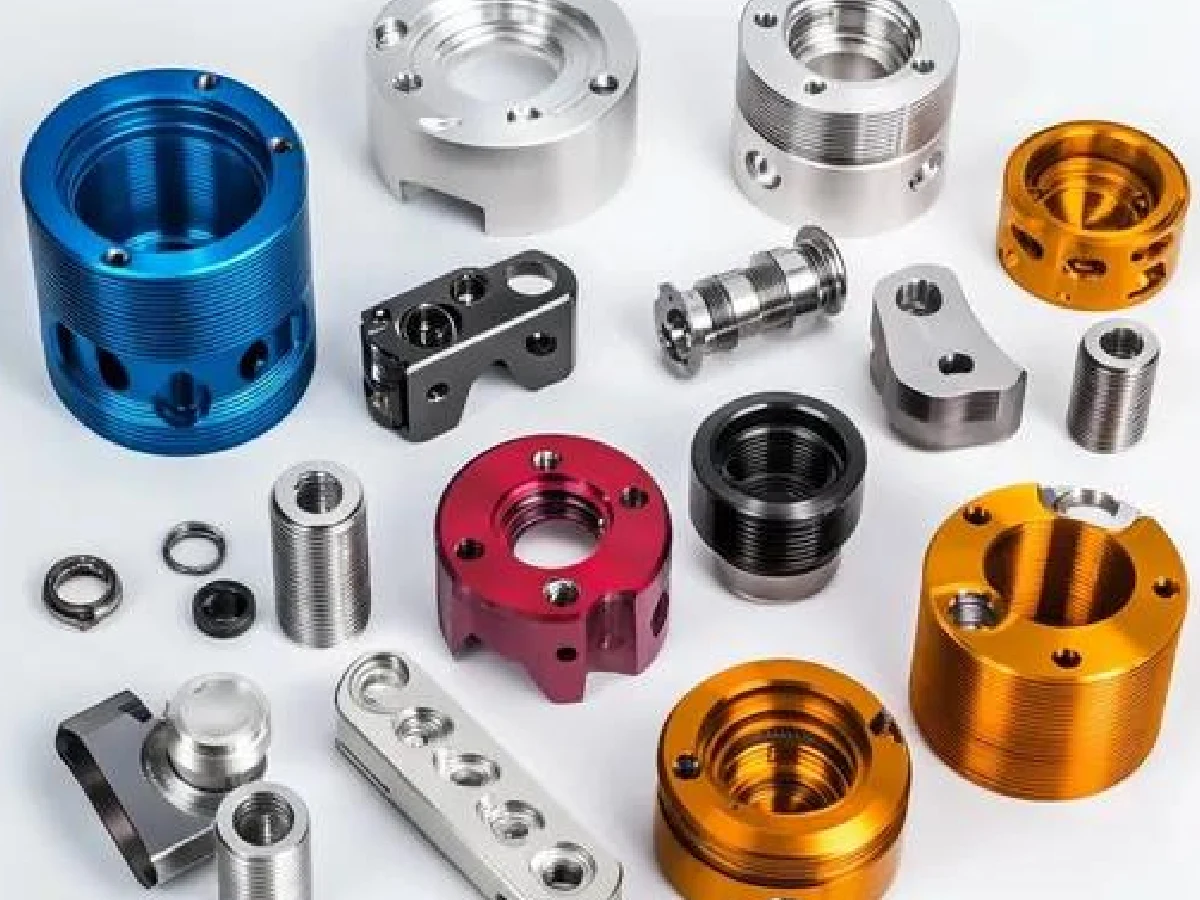
Aluminum alloy supports various surface treatments, including:
- Anodizing
- Sand blasting
- Plating
- Surface coating
These treatments can improve:
- Appearance quality
- Corrosion resistance
- Product service life
Common Types of Aluminum Alloys
Commonly Used in CNC Machining:
6061 Aluminum Alloy
Characteristics:
- Balanced mechanical properties
- Moderate strength
- Excellent machinability
Applications:
- Machine structures
- Brackets
- Industrial components
7075 Aluminum Alloy
Characteristics:
- High strength
- Mechanical performance close to certain steels
Applications:
- High-strength components
- Aerospace-related structures
2. Stainless Steel: A Material with High Strength and Corrosion Resistance
Characteristics of Stainless Steel
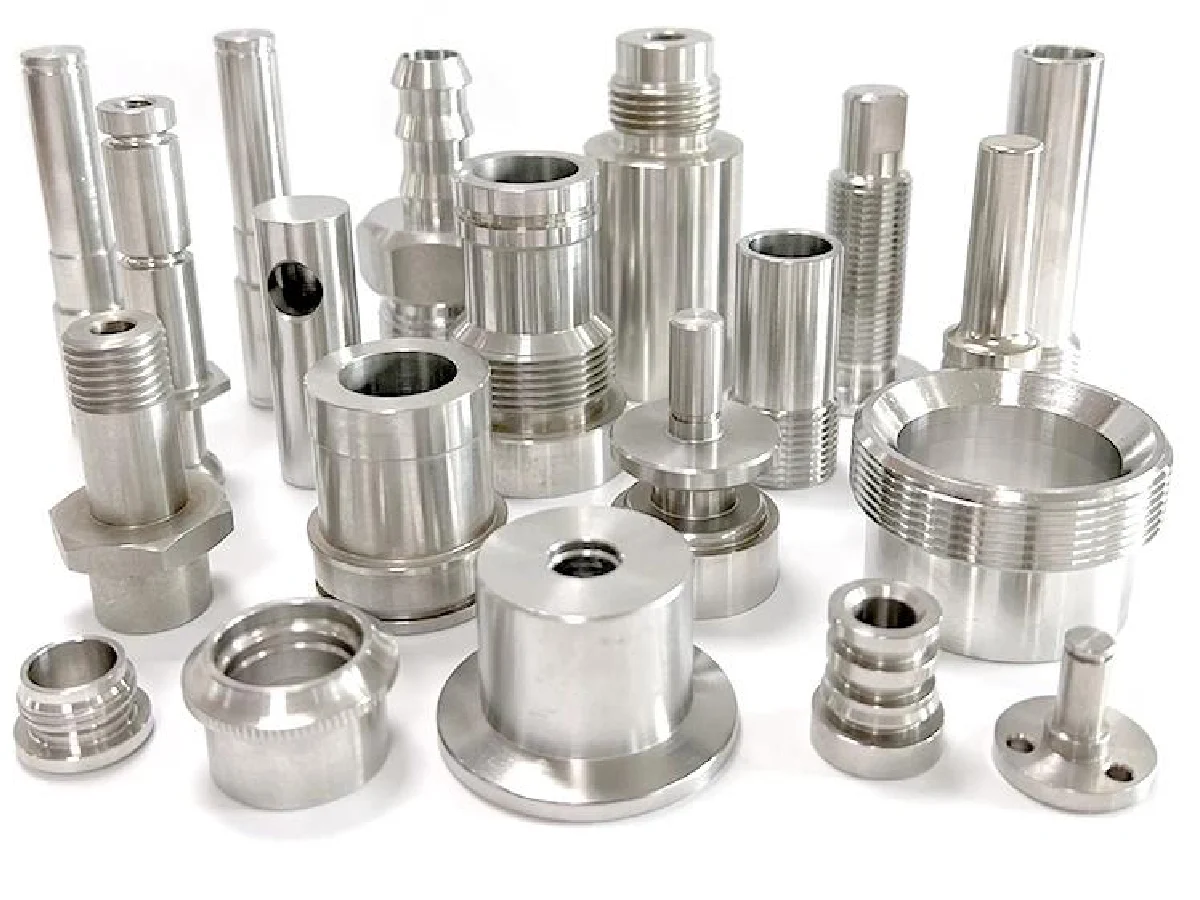
Stainless steel is widely used in demanding industrial applications due to its excellent corrosion resistance and mechanical properties.
1. High Strength
Compared with aluminum alloy, stainless steel provides higher:
- Strength
- Hardness
- Wear resistance
Suitable for manufacturing:
- Load-bearing structural components
- Precision mechanical parts
- Industrial equipment components
2. Excellent Corrosion Resistance
Stainless steel can withstand:
- Humid environments
- Chemical environments
- High-temperature environments
Therefore, it is widely used in:
- Medical equipment
- Food machinery
- Chemical equipment
- High-end industrial products
3. Higher CNC Machining Difficulty
Compared with aluminum alloy, stainless steel machining requires more advanced process experience.
The machining process requires attention to:
- Tool selection
- Cutting parameters
- Cooling methods
- Machining stability
Professional machining processes can effectively ensure:
- Dimensional accuracy
- Surface quality
- Product consistency
Common Types of Stainless Steel
304 Stainless Steel
Characteristics:
- Good corrosion resistance
- Wide range of applications
Applications:
- Industrial parts
- Housings
- Connecting components
316 Stainless Steel
Characteristics:
- Enhanced corrosion resistance
Applications:
- Medical equipment
- Chemical equipment
- Parts for special environments
3. Copper: Excellent Electrical Conductivity and Precision Machining Material
Characteristics of Copper
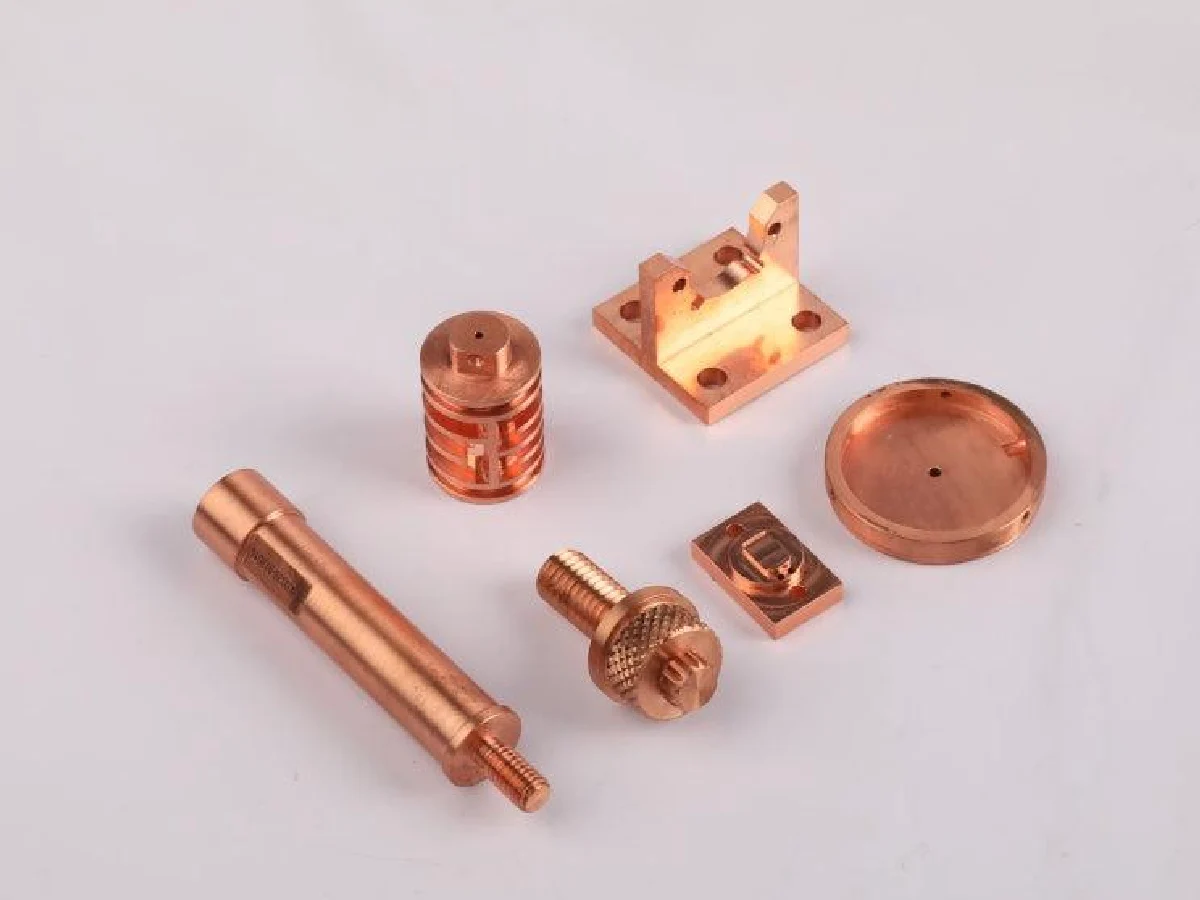
Copper is a metal material with unique properties and is widely used in precision manufacturing.
1. Excellent Electrical Conductivity
Copper offers excellent electrical conductivity.
Therefore, it is commonly used for:
- Electrical components
- Electronic connectors
- Conductive structural parts
2. Good Machinability
Copper has good cutting performance and can be used to manufacture:
- Precision parts
- Small structural components
- Complex components
3. Good Corrosion Resistance
Copper provides certain corrosion resistance and has a distinctive metallic appearance.
Applications:
- High-precision connectors
- Electrical equipment parts
- Decorative structural components
How to Select the Right Material for CNC Machining
Material selection usually requires comprehensive consideration of the following factors.
1. Part Application Environment
For example:
General mechanical structures:
Aluminum alloy or steel materials can be selected.
Humid or corrosive environments:
Stainless steel is recommended.
Electrical applications:
Copper materials are recommended.
2. Strength Requirements
If components require:
- High load capacity
- High-strength operation
Recommended materials:
- Stainless steel
- High-strength alloys
If lightweight design is required:
Aluminum alloy is usually the better choice.
3. Machining Cost
Different materials have different machining difficulties.
Generally:
Aluminum alloy:
High machining efficiency and relatively lower cost.
Stainless steel:
Higher machining difficulty and requires more professional processes.
Copper:
Higher material cost and machining requirements.
Likunda CNC Metal Material Machining Capability
Qingdao Likunda CNC Machinery Co., Ltd. has extensive CNC machining experience with various metal materials and provides suitable machining solutions based on customer part requirements.
Common machining materials include:
- Aluminum Alloy
- Stainless Steel
- Copper
- Carbon Steel
- Alloy Steel
- Other special metal materials
Supported by a comprehensive CNC equipment system, including:
- CNC Turning Machines
- CNC Machining Centers
- Turn-Mill Composite Machines
- Multi-axis Machining Equipment
The company can meet the manufacturing requirements of metal parts with different structures and precision requirements.
At the same time, through:
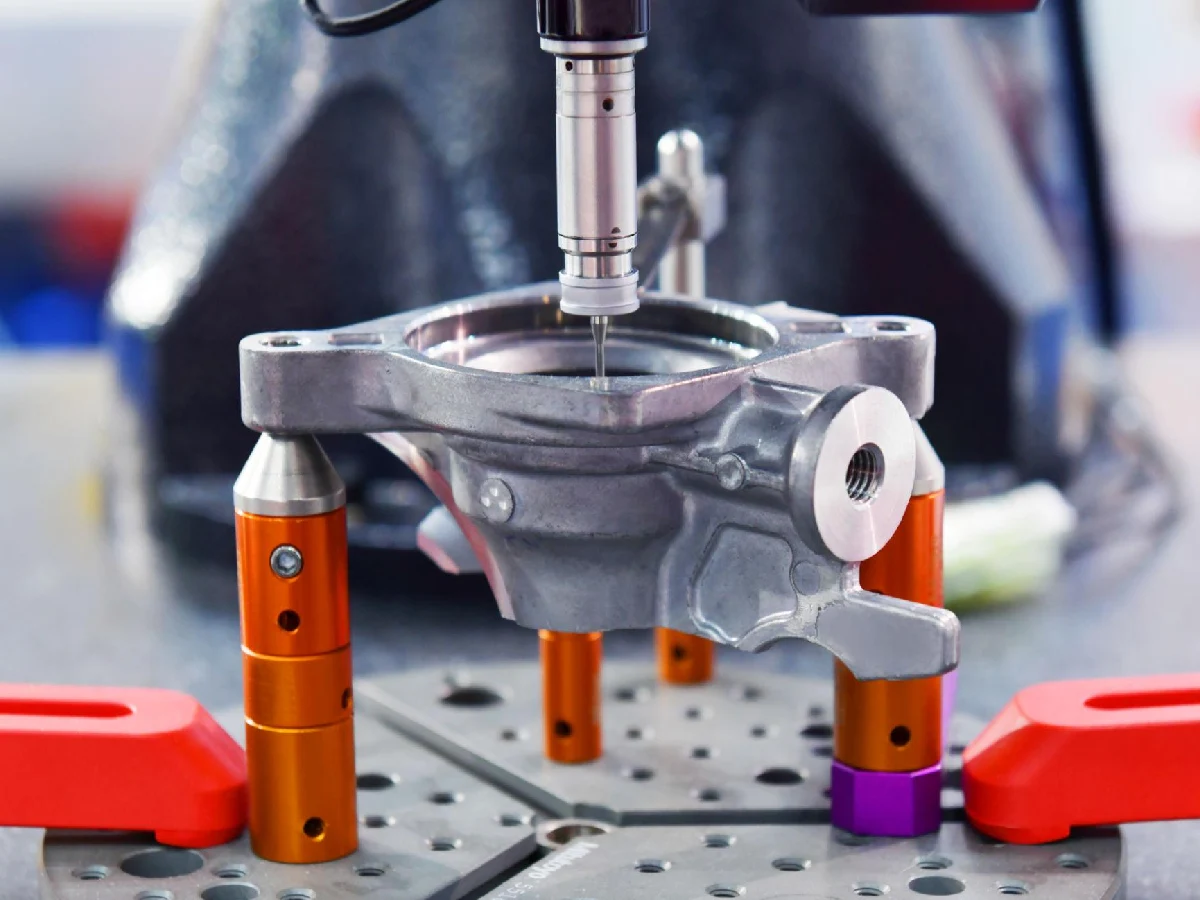
- CMM Coordinate Measuring Machine Inspection
- 2D Measurement Inspection
- Hardness Testing
Ensure that machined parts meet customer technical requirements.
Conclusion
In CNC machining, no single material is suitable for all application scenarios.
Aluminum alloy is suitable for lightweight design and high-efficiency machining.
Stainless steel is suitable for high-strength and corrosion-resistant environments.
Copper is suitable for applications requiring electrical performance and precision connections.
Choosing a professional CNC machining supplier requires not only advanced equipment but also extensive material machining experience and a complete quality control system.
Qingdao Likunda CNC Machinery Co., Ltd. is committed to providing customers with stable and reliable precision metal part machining solutions.